When disaster strikes a commercial property in Florida—whether it's a hurricane, flood, or fire—time, expertise, and logistics make all the difference in how fast your business can recover. A well-executed disaster recovery plan not only saves money but also protects health, safety, and operational continuity. In this guide, we break down what Florida commercial property owners need to know about choosing the right recovery services and preparing for the unexpected.
Understanding Disaster Recovery for Commercial Properties
What Is Disaster Recovery in the Built Environment?
Disaster recovery refers to the coordinated set of services, resources, and protocols that restore a commercial building and its operations after a disruptive event—such as water damage, fire, mold outbreak, or structural failure. It goes beyond basic restoration, involving full-service planning and execution to return the building to pre-loss condition while minimizing downtime.
Differences Between Restoration and Full Disaster Recovery
While restoration often refers to repairing visible damage—like replacing drywall or removing mold—disaster recovery includes emergency services, structural assessments, insurance reporting, and long-term planning. It integrates logistics, environmental safety, and business continuity strategies, all tailored to commercial needs.
Why Commercial Properties Require Specialized Recovery Plans
Unlike homes, commercial buildings like hotels, offices, or condo complexes face more complex challenges:
Larger square footage and multiple occupancy types
Critical systems (e.g., HVAC, elevators, emergency exits)
Tenant or customer expectations
Legal and code compliance pressures
A cookie-cutter restoration approach won’t work. A proper disaster recovery plan must be tailored to the commercial context, ensuring safety and full operational return.
Florida’s Unique Vulnerability to Disasters
Hurricanes, Flooding, and Storm Surge Events
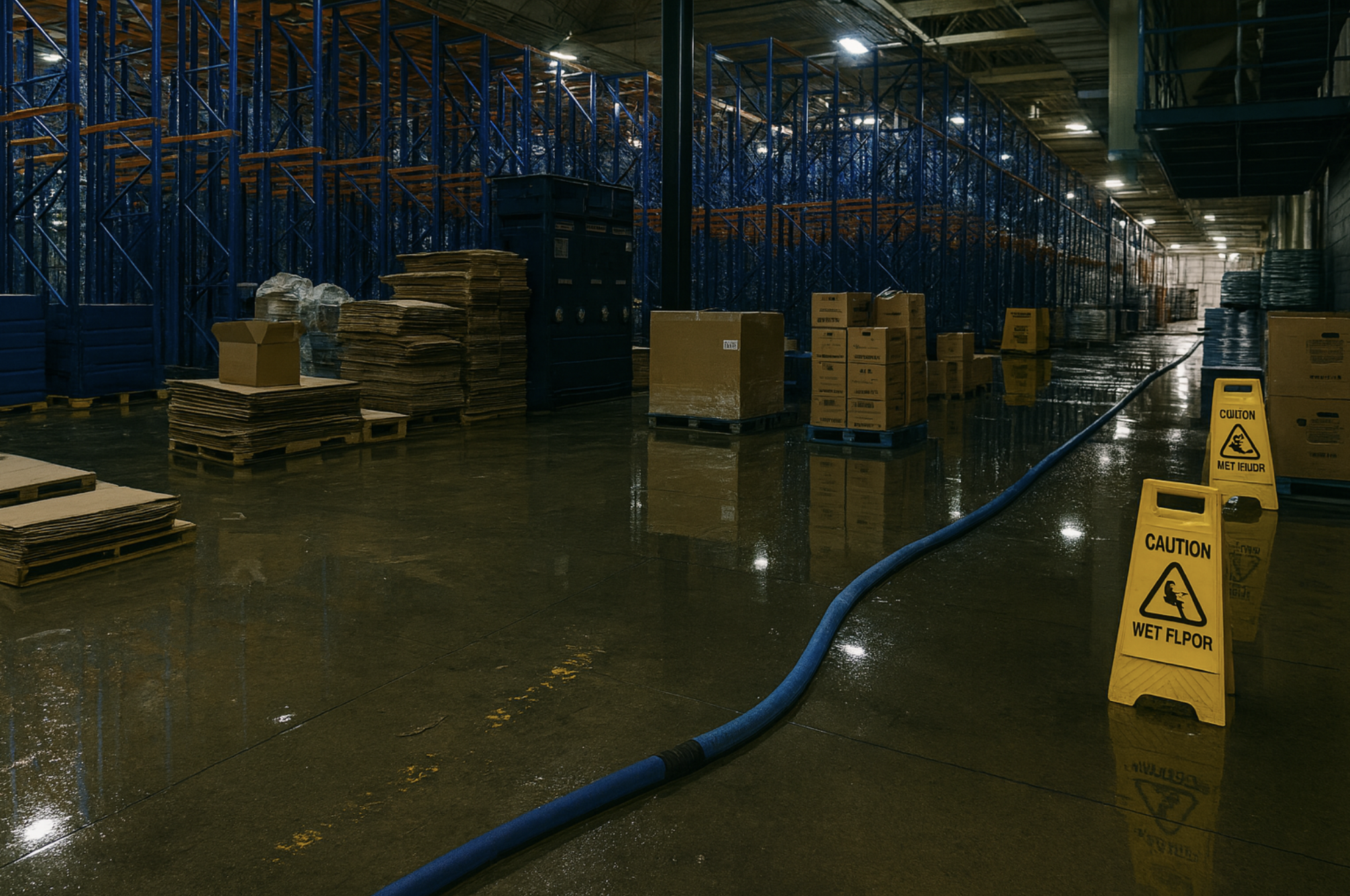
Florida is one of the most disaster-prone states in the U.S., regularly experiencing hurricanes and tropical storms. The combination of wind, flooding, and water damage can devastate commercial properties. Without immediate emergency response, structural materials and business assets can be compromised within hours.
Humidity, Mold, and Secondary Damage Risks
Even after the water recedes, Florida’s warm, humid climate accelerates the spread of mold, mildew, and microbial contamination. Improperly dried materials or hidden moisture behind walls can cause ongoing damage and serious health concerns for occupants and employees.
The Role of Climate Change and Increased Storm Severity
Storms are becoming more frequent and more intense. With rising sea levels and unpredictable weather patterns, disaster recovery is no longer a “what if”—it's a “when.” Businesses must have a proactive plan for response and restoration, including working with professionals experienced in Florida-specific recovery protocols.
The Real Cost of Inadequate Disaster Recovery Planning
Business Interruption and Downtime Costs
Every hour your commercial property is out of service translates to lost revenue. For hotels, retail centers, or office buildings, this may include cancellations, lost tenants, or staff layoffs. A slow or incomplete recovery process can cripple the business financially.
Damage to Equipment, Structures, and Tenant Spaces
Delayed or poor-quality restoration can cause further damage to mechanical systems, wiring, and critical infrastructure. For example, HVAC units affected by water intrusion may corrode, and tenant units could become uninhabitable.
Insurance Complications and Uncovered Losses
Insurance providers require timely action, documentation, and expert assessment. Failure to act quickly—or using an unqualified contractor—can lead to denied claims, policy violations, and out-of-pocket emergency repair costs. Proper disaster recovery partners handle this paperwork for you and protect your claim.
Key Components of an Effective Disaster Recovery Process
24/7 Emergency Response and Site Stabilization
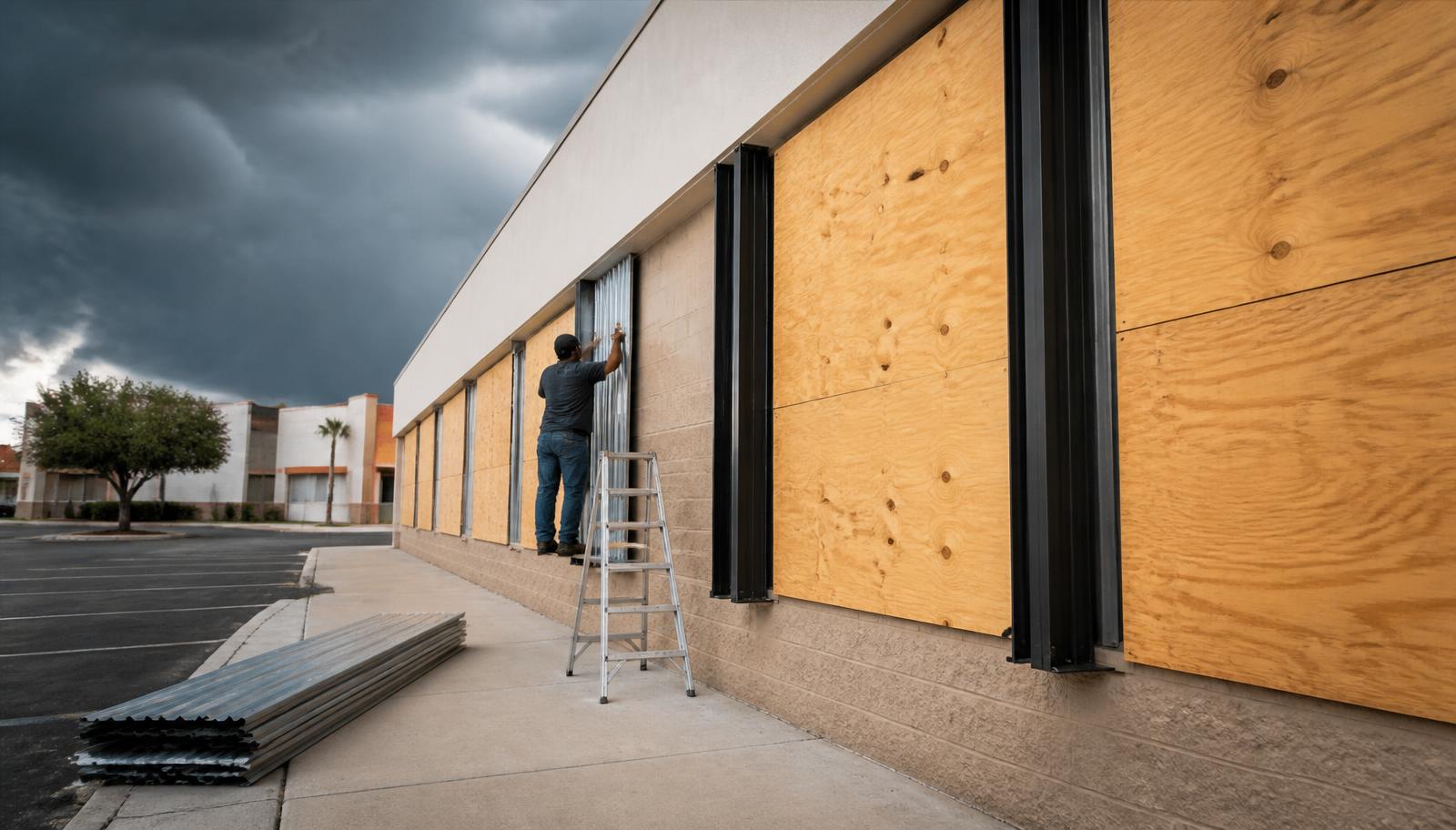
A rapid emergency response is essential to secure the site, prevent further damage, and assess risks. This includes boarding up broken windows, pumping out floodwaters, and ensuring the safety of occupants and responders.
Water Extraction, Drying, and Dehumidification
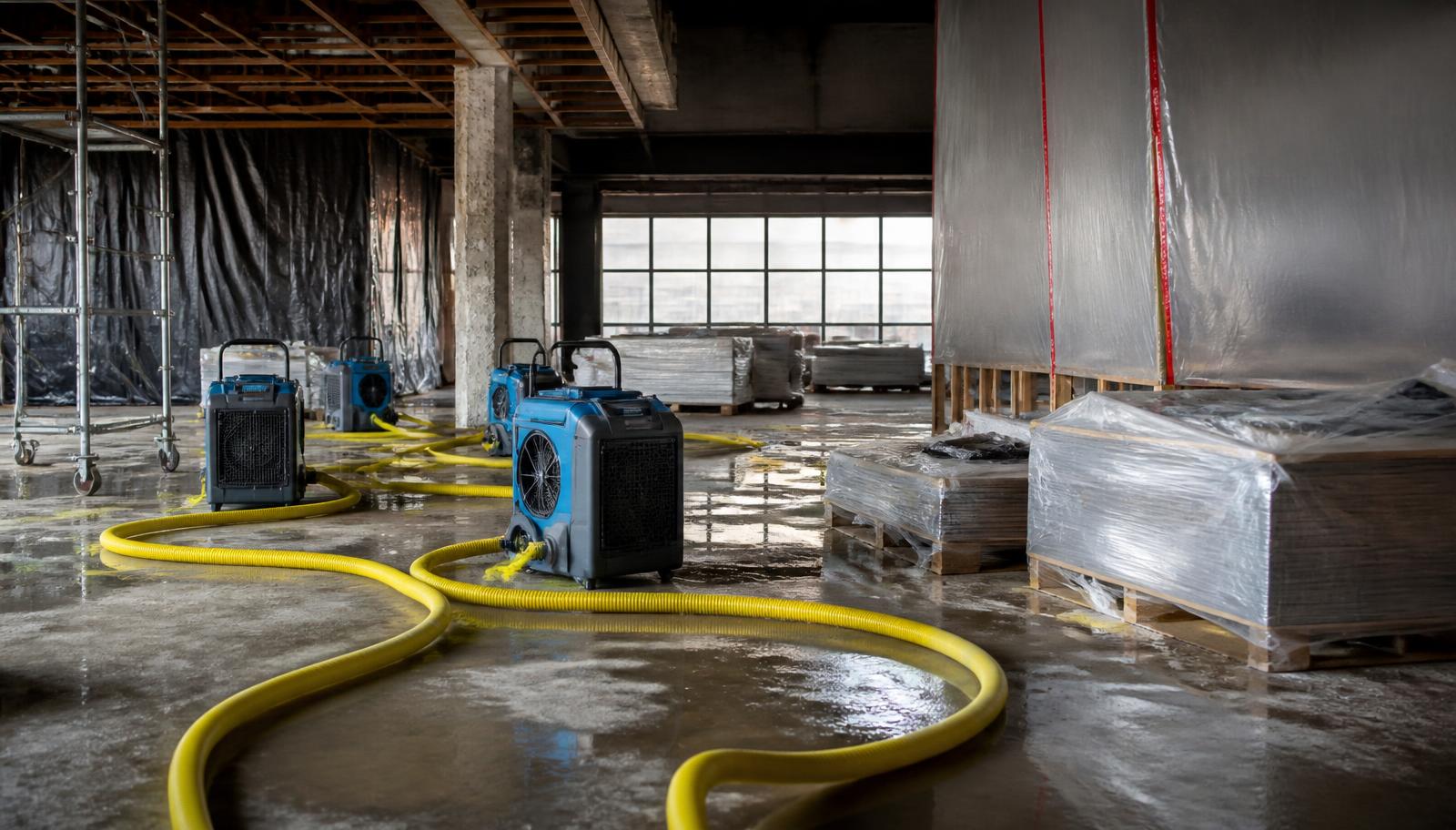
Flooded properties need professional water damage mitigation. Using industrial vacuums, dehumidifiers, and air movers, recovery teams dry out materials and stop the spread of hidden moisture—especially in commercial flooring systems and wall assemblies.
Mold Remediation and Indoor Air Quality Restoration
Effective disaster recovery includes identifying and removing mold spores, sanitizing affected areas, and restoring air quality. This protects the health of occupants and ensures the space can reopen safely and legally.
Fire, Smoke, and Soot Cleanup Services
For properties affected by fire, recovery includes cleaning soot-stained surfaces, deodorizing spaces, and removing toxic residues from HVAC systems, walls, and ceilings. This must be done swiftly to prevent corrosion and contamination.
Structural Repairs and Rebuild Services
From drywall replacement to full restoration of damaged beams, trusses, and roofs, structural repairs are essential to restore integrity and meet building codes. A comprehensive disaster recovery team will handle this under one contract to ensure continuity.
Disaster Recovery vs. General Contracting: Know the Difference
Specialized Equipment and Certifications Required
Disaster recovery contractors use specialized tools—like high-capacity air scrubbers, thermal imaging cameras, negative air machines, and HEPA vacuums—that most general contractors don’t have. In addition, they maintain certifications in mold remediation, water damage restoration, fire cleanup, and hazardous material handling—ensuring safety, compliance, and effectiveness.
Code Compliance, Documentation, and Insurance Coordination
Unlike a typical contractor, disaster recovery professionals understand the intricate documentation required by insurers, adjusters, and building inspectors. They ensure your commercial property remains compliant with Florida building codes while managing reporting for insurance claims—helping secure faster, fuller reimbursement.
Why Time Is Critical in the First 48–72 Hours
The first 48 hours following a disaster are make-or-break for recovery outcomes. Mold growth, structural warping, and material degradation accelerate quickly. A delay in action can increase total restoration costs exponentially. That’s why choosing a contractor with 24/7 emergency response is essential for businesses in Florida.
Choosing the Right Disaster Recovery Partner in Florida
Licensing, Insurance, and Commercial Experience
Vet your disaster recovery team for Florida licensing, full liability insurance, and a portfolio of commercial projects. Residential restoration experience alone isn’t enough—your contractor must be familiar with multi-tenant properties, occupancy safety protocols, and large-scale rebuilds.
Knowledge of Florida Building Codes and Storm Recovery Protocols
Florida's strict codes regulate how properties must be restored after emergency events. Look for contractors well-versed in hurricane-resistant materials, moisture barrier systems, mold mitigation guidelines, and flood zone compliance.
Past Performance with Hotels, HOAs, Condos, and Offices
Your ideal recovery partner should have proven results in similar commercial environments. Ask for case studies or references from past projects involving high-rise condominiums, hospitality properties, or office parks.
Turnkey Services from Emergency Response to Final Rebuild
The best partners handle everything—from initial emergency response and mitigation to full reconstruction and finishes. This streamlines the process, avoids delays, and simplifies communication—especially when working with insurance adjusters and stakeholders.
How Coastal Reconstruction Group Supports Florida Businesses
Decades of Disaster Recovery Experience in Florida
Coastal Reconstruction Group has supported commercial clients across Florida through countless hurricanes, floods, fires, and mold outbreaks. Their team understands both the urgency and complexity of large-scale disaster recovery.
Trusted by Property Managers, Developers, and HOAs
Coastal works with property managers, building owners, developers, and HOAs to deliver reliable, on-time restoration services. Their reputation is built on transparency, technical expertise, and long-term client relationships.
Integrated Services: Mold, Water, Fire, Structural, and Roofing
Whether it’s water damage, structural collapse, or a fire emergency, Coastal provides integrated solutions—including mold remediation, roof replacement, and structural rebuilding. This full-spectrum approach ensures nothing is missed during recovery.
Insurance-Ready Reporting and Claim Support
From moisture mapping and photographic documentation to scope-of-work estimates and permitting records, Coastal provides complete reports ready for insurance claims and compliance. They’ll even liaise with your insurer to streamline payout and minimize friction.
Conclusion: Don’t Leave Disaster Recovery to Chance
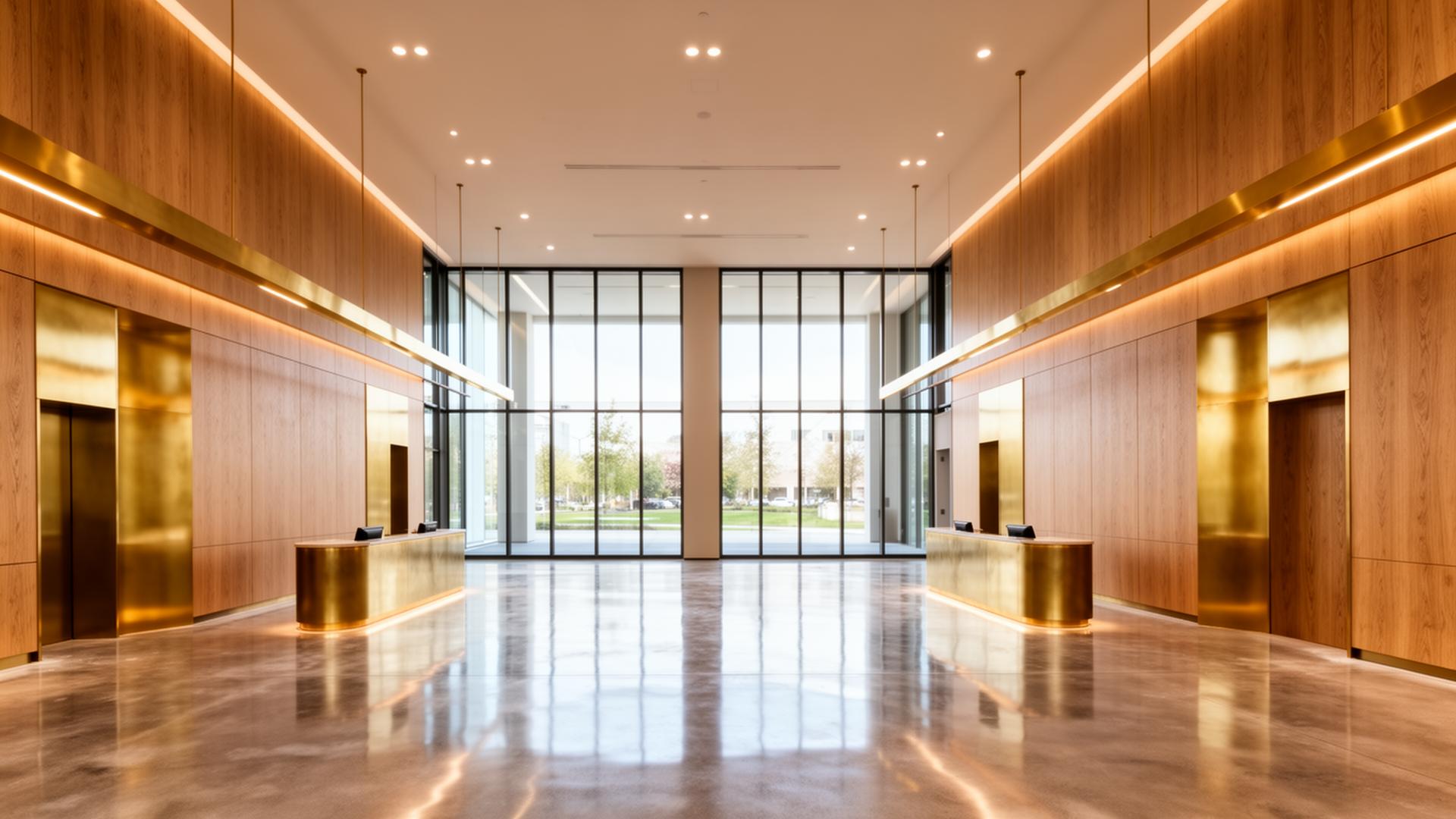
Florida businesses face real and growing risks from storms, water intrusion, and infrastructure failure. A professional disaster recovery plan—and a trusted contractor—can mean the difference between swift reopening and months of disruption. Prepare now, and partner with experts who know what’s at stake.
Request a Commercial Disaster Recovery Assessment Today
Don't wait for the next storm or system failure to put your operations at risk. Coastal Reconstruction Group offers free on-site assessments, emergency preparedness planning, and rapid recovery services tailored to Florida’s commercial property landscape.
Contact Coastal today to request your custom assessment and protect your people, property, and peace of mind.
FAQs (Frequently Asked Questions)
What qualifies as a commercial disaster recovery service?
Commercial disaster recovery services involve the coordinated response and restoration of business properties after events like floods, fires, hurricanes, or mold outbreaks. These services typically include emergency response, water extraction, structural drying, mold remediation, fire damage cleanup, and complete reconstruction for commercial facilities.
How quickly should I act after a disaster hits my business property?
Immediately. The first 24–72 hours are critical. Delaying action increases the risk of secondary damage such as mold, structural deterioration, or equipment loss. Fast emergency response not only mitigates damage but also improves the chances of successful insurance claims and faster recovery.
What types of commercial buildings need disaster recovery plans?
All types—including hotels, condominiums, apartment complexes, office buildings, retail spaces, HOAs, and industrial facilities—should have disaster recovery plans. Any business property exposed to hurricanes, floods, fires, or mold in Florida is at risk and needs proactive preparation and trusted recovery partners.
What should I look for in a disaster recovery contractor in Florida?
Key traits include: Florida licensing, commercial property experience, 24/7 emergency response capabilities, mold and water damage certifications, understanding of Florida Building Code, insurance claim support, and a proven track record with commercial clients like HOAs and property managers.
Does disaster recovery include help with insurance claims?
Yes. A reputable disaster recovery company will assist with insurance documentation, including moisture mapping, damage reports, photos, and scope-of-work estimates. Some even work directly with your adjuster to streamline the claims process and minimize your out-of-pocket burden.