Introduction – Why Mold Is a Major Concern in Florida
Florida’s warm, humid climate creates the perfect breeding ground for mold. With year-round moisture from rain, hurricanes, and high humidity levels, buildings are constantly at risk for mold growth—especially when water damage occurs in basements, bathrooms, or around roofs and plumbing systems.
Whether caused by flooding, leaky pipes, or poor ventilation, mold can quickly contaminate indoor air, damaging property and threatening occupant health. Left untreated, mold problems can result in costly repairs, structural deterioration, and serious health issues—especially for individuals with compromised immune systems.
That’s why professional mold removal and remediation is critical in Florida. It’s not just about cleaning mold—it’s about identifying sources of moisture, improving indoor air quality, and protecting long-term property value.
What Is Mold and Why Is It Harmful?
Understanding Mold Growth and Spores
Mold is a type of fungus that thrives in moist environments and spreads through microscopic spores. In Florida’s climate, mold spores can take hold within 24 to 48 hours of water intrusion. Mold growth often occurs in hidden areas like inside walls, behind drywall, or under flooring where moisture lingers.
Common indoor molds in Florida include Aspergillus, Cladosporium, and Stachybotrys chartarum (black mold). These fungi not only damage surfaces, but also release spores into the air that affect indoor air quality.
Health Risks Linked to Mold Exposure
Exposure to mold spores can lead to a wide range of health issues, especially in enclosed indoor environments. Symptoms include:
Respiratory issues (wheezing, coughing, asthma aggravation)
Skin irritation and allergic reactions
Fatigue and headaches
Long-term immune system suppression in vulnerable individuals
For children, the elderly, and those with respiratory illnesses, mold exposure can be especially dangerous. That’s why mold treatment and indoor air filtration—especially HEPA-based filtration systems—are essential during and after remediation.
Signs You May Need Mold Removal and Remediation
Visible Mold or Water Damage
One of the most obvious signs of mold problems is visible growth. Mold often appears as black, green, or white patches on ceilings, drywall, or flooring. You might also notice:
Stained or bulging walls
Warped baseboards or ceiling tiles
Soft or crumbling drywall due to excess moisture
These signs often point to a deeper water damage issue—such as a plumbing leak or flood—requiring immediate mold mitigation and remediation services.
Musty Odors or Allergic Reactions
Mold doesn’t always reveal itself visually. A persistent, musty odor in specific rooms often indicates mold is hiding behind walls or beneath surfaces. If people in the space are experiencing:
Sneezing or itchy eyes indoors
Asthma flare-ups
Coughing or congestion
…it’s time to consider mold cleaning services. These symptoms are often the first clue that spores are contaminating the indoor air.
The Mold Remediation Process Explained
Step 1: Assessment and Mold Testing
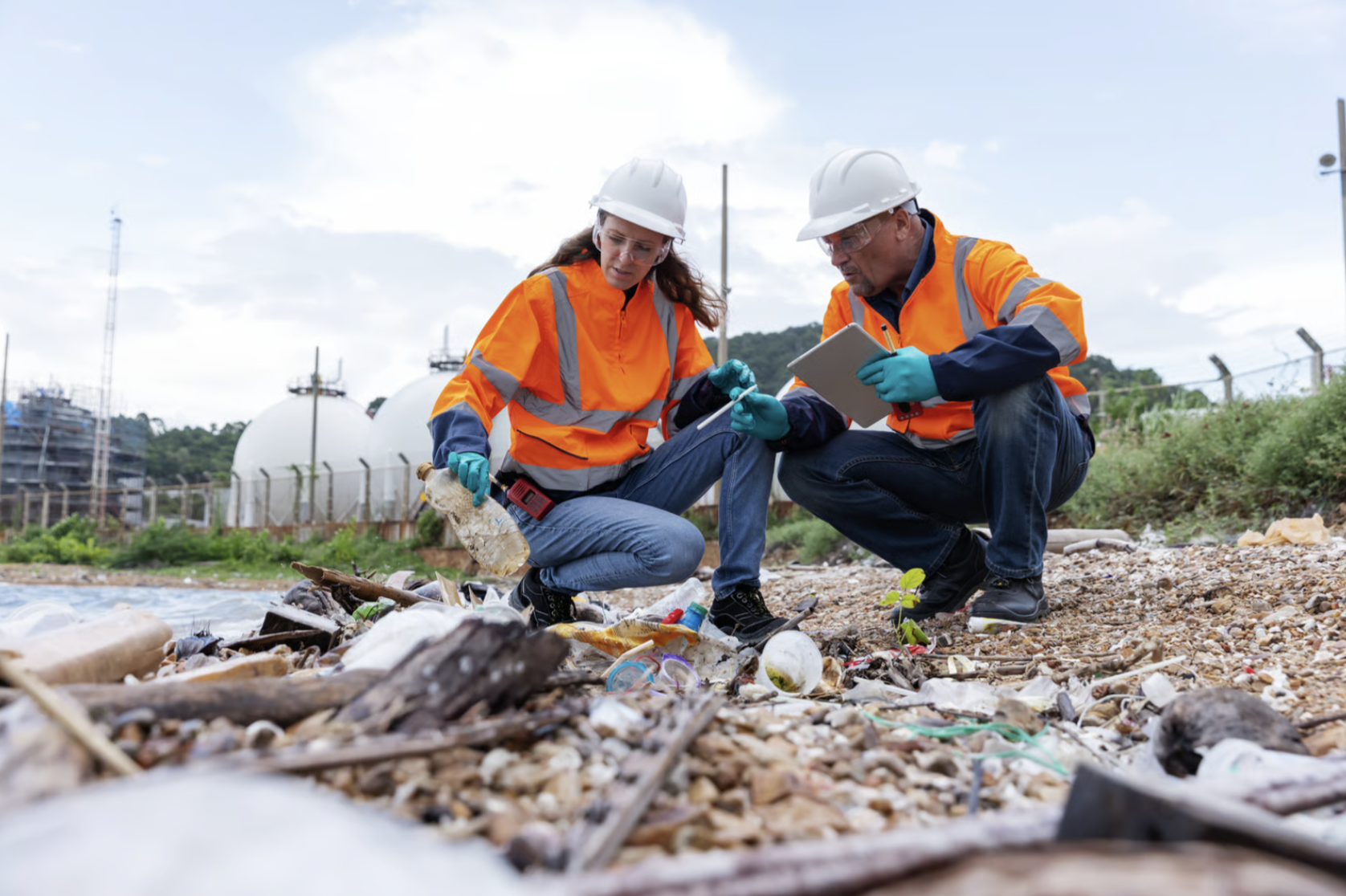
Professional mold remediation services begin with a thorough assessment. Specialists perform moisture readings, inspect for leaks, and test both the surfaces and air for spore concentration. This step determines:
The type of mold present
The extent of contamination
The necessary treatment and restoration plan
Mold remediation specialists also assess whether contaminated areas are isolated or systemic—especially important in cases of post-flood or sewage backup damage.
Step 2: Containment and Safety Precautions
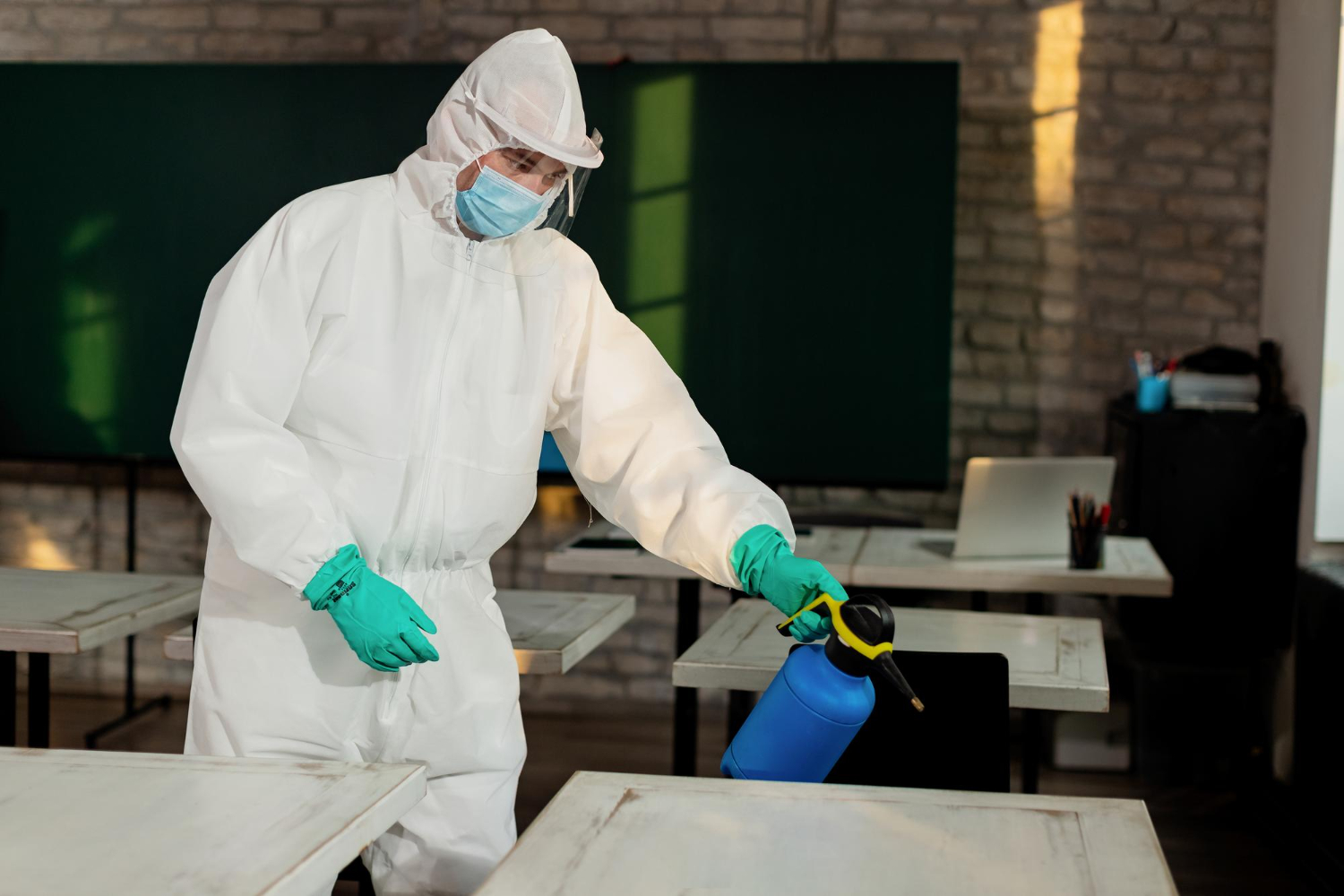
Before any mold removal begins, the affected area is sealed off using plastic barriers and negative air pressure systems to prevent cross-contamination. Professionals use:
Personal protective equipment (PPE)
HEPA air scrubbers and ventilation systems
Sealed waste disposal bags and decontamination zones
These containment methods protect both workers and occupants while limiting the spread of spores to unaffected areas.
Step 3: Mold Removal and Disposal
Once containment is in place, the mold remediation team removes all contaminated materials. This may include:
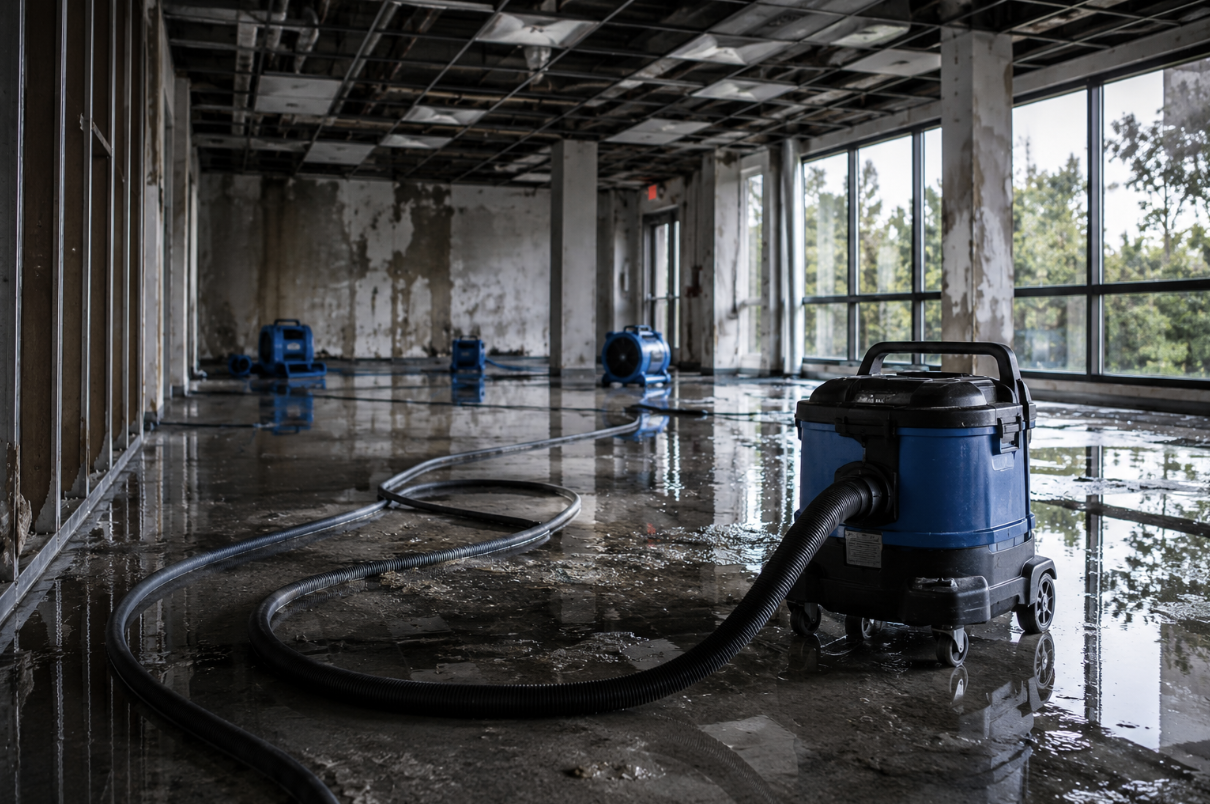
Water-damaged drywall
Mold-infested insulation
Flooring, ceiling tiles, or wood affected by moisture
These materials are carefully sealed and disposed of following EPA and Florida Department of Health guidelines. Mold removal and remediation isn’t just about cleaning visible mold—it’s about eliminating the root cause and all sources of contamination.
Step 4: Cleaning, Disinfection, and Prevention
After removal, all remaining surfaces are thoroughly cleaned using HEPA vacuums and antimicrobial treatments. This phase includes:
Fogging or wiping with mold and mildew removers
Treating HVAC ducts and air handling units
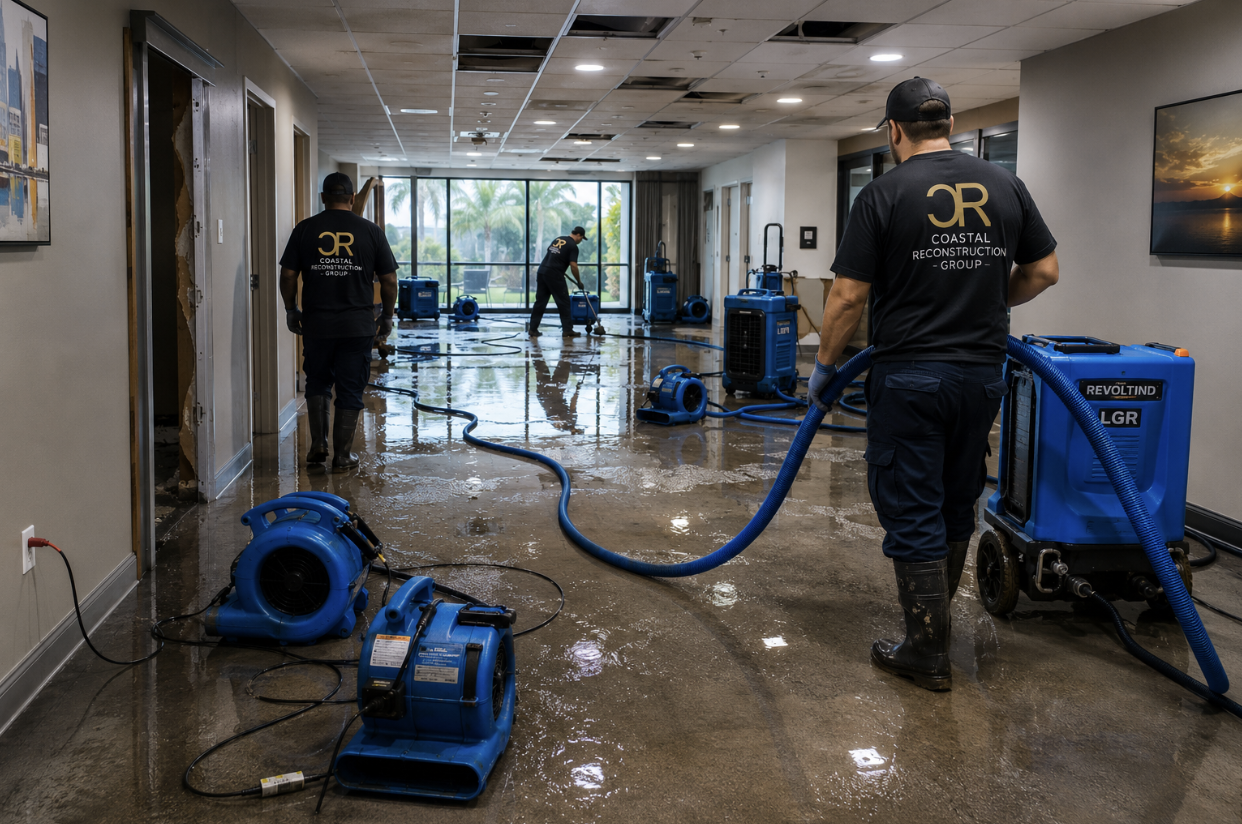
Drying the space using industrial-grade dehumidifiers
Final steps often include minor restoration, such as replacing drywall or flooring, and implementing long-term moisture control—like improved ventilation, waterproofing, or plumbing repairs.
Why Mold Remediation Should Be Handled by Professionals
Regulatory Compliance and Certifications
Florida has specific guidelines regarding mold remediation licensing, particularly for commercial properties and large-scale projects. Certified mold specialists follow:
EPA and OSHA health and safety protocols
Florida mold licensing requirements
IICRC S520 standards for mold remediation
Hiring professional mold remediation companies ensures compliance, protects health, and avoids insurance denial due to improper cleanup.
Long-Term Prevention vs. Temporary Fixes
DIY mold treatment—like spraying bleach or using store-bought mold cleaning products—might remove surface stains but rarely eliminates spores. Without addressing root causes like moisture or water intrusion, mold will return.
Professionally treated properties undergo complete mold abatement and receive advice or services for long-term prevention, including waterproofing and improved indoor air filtration systems.
Florida-Specific Mold Challenges and Solutions
Post-Storm Mold Outbreaks
After hurricanes, tropical storms, or flood events, mold can take hold rapidly. Florida residents often face:
Mold growth in attics, basements, or walls after roof leaks
Water damage restoration delays due to high demand
Insurance claims that require certified documentation
Emergency response is key. Coastal Reconstruction Group offers immediate mold mitigation near you to minimize damage and ensure a fast, compliant cleanup.
Coastal vs. Inland Property Considerations
Coastal properties face unique challenges:
Salt air and wind-driven rain increase building envelope vulnerability
Persistent humidity promotes faster mold regrowth
HVAC systems require frequent inspection and treatment
Inland properties may experience plumbing or basement flooding due to aging infrastructure. Each setting requires tailored mold remediation services and building material selection.
How Coastal Reconstruction Group Handles Mold Removal and Remediation
Certified Mold Remediation Specialists
Coastal’s licensed mold remediation experts are trained to handle complex mold issues across residential and commercial properties in Florida. Whether you’re dealing with bathroom mold or a full-building mold restoration, their team delivers professional results.
Emergency Response for Water Damage and Mold
Mold doesn’t wait. Coastal offers 24/7 emergency services for water damage restoration, flood cleanup, and mold remediation near you. Rapid response prevents further damage and keeps cleanup costs lower.
Full-Service Restoration After Remediation
Beyond remediation, Coastal offers:
Structural repair and drywall replacement
Roof and plumbing leak repair
Indoor air quality improvement through HEPA filtration and HVAC upgrades
Odor elimination and long-term mold prevention strategies
Their turnkey approach means you won’t have to coordinate between multiple vendors during a stressful time.
Conclusion – Protect Your Property and Health from Mold
In Florida’s humid climate, mold isn’t just a nuisance—it’s a real threat to health, safety, and property value. Left untreated, mold damage can compromise your home or business’s structure and lead to chronic health conditions.
Professional mold remediation ensures your property is properly assessed, cleaned, and restored using EPA-compliant methods. With a partner like Coastal Reconstruction Group, you gain peace of mind, fast response, and reliable results backed by decades of Florida restoration experience.
Request a Mold Removal and Remediation Assessment
If you suspect mold in your Florida property, don’t wait. Contact Coastal Reconstruction Group for a certified inspection or free consultation. Their experts can help you:
Assess the extent of mold contamination
Coordinate insurance claims
Plan repairs, waterproofing, and ventilation improvements
Protect your property, your health, and your future—get professional help today.
FAQs (Frequently Asked Questions)
What causes mold growth in Florida homes and businesses?
Mold growth is typically caused by moisture from high humidity, roof or plumbing leaks, storm flooding, or poor ventilation. Florida’s climate makes proactive waterproofing and indoor air management essential.
How much does professional mold remediation cost?
Costs vary depending on severity, size, and materials affected. Mold remediation cost typically ranges from $500 to $6,000, with larger jobs requiring reconstruction and air quality treatments potentially costing more.
Can I stay in my property during mold removal?
In many cases, yes—but it depends on the location and extent of contamination. Coastal Reconstruction Group uses containment systems and HEPA filtration to allow safe occupancy during some projects.
Is mold always visible or can it be hidden?
Mold often hides behind walls, under flooring, or in HVAC systems. If you notice musty odors or experience health symptoms without visible mold, professional testing is recommended.
How long does mold remediation typically take?
Most residential mold remediation projects are completed in 3 to 7 days, depending on size and complexity. Large commercial properties or post-flood jobs may take longer, especially if structural repairs are required.