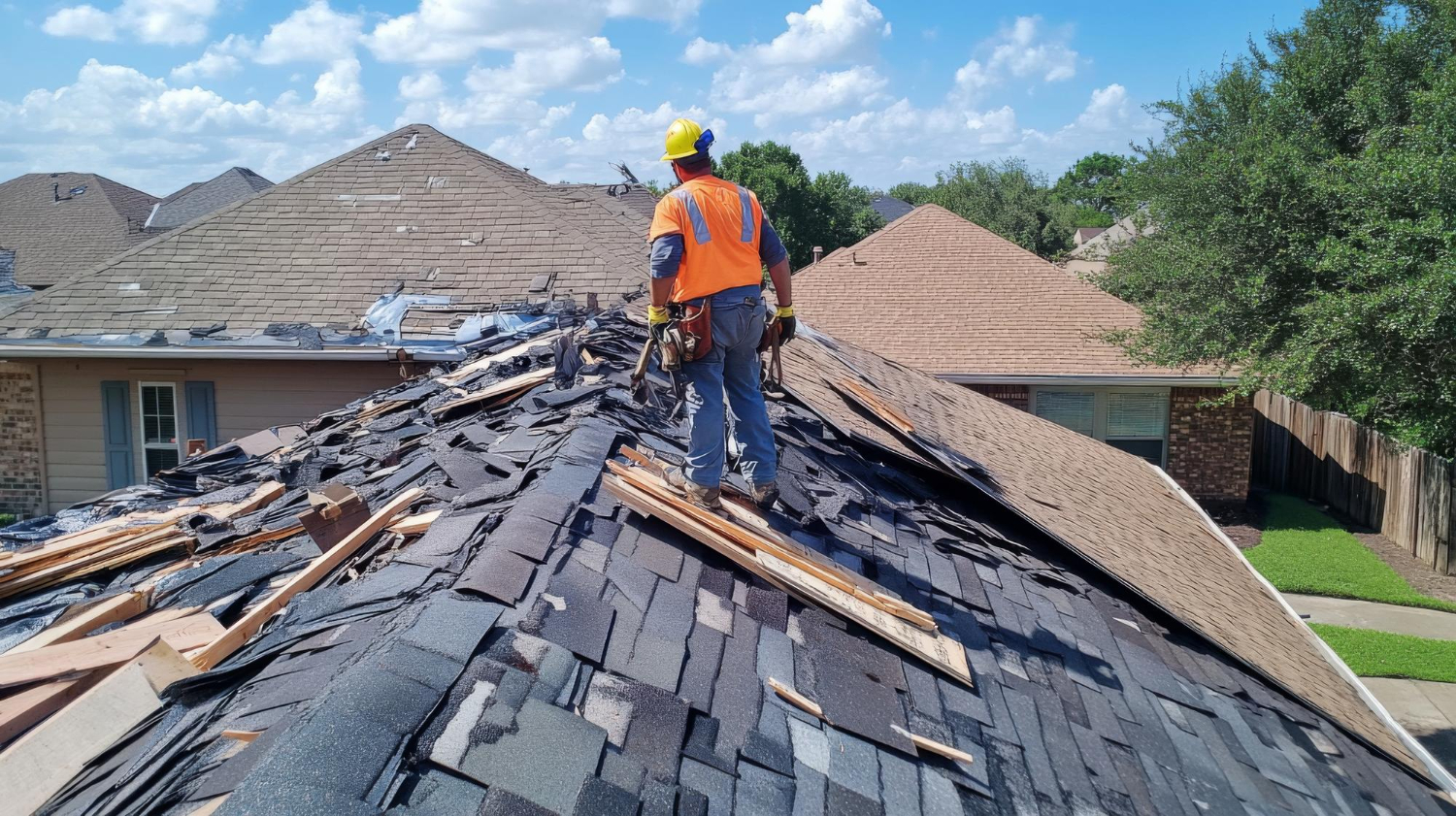
Introduction – Why Immediate Roof Repair After a Storm Is Critical
Florida’s commercial properties face some of the most intense extreme weather conditions in the country. Hurricanes, tropical storms, tornado events, heavy rain, hail, and high wind speeds regularly threaten commercial roofs across the state. Whether your building has a flat roof, metal roof, or asphalt shingle roofing system, storm damage can happen suddenly and escalate rapidly.
Even a small roof leak can quickly turn into significant water damage, impacting ceilings, insulation, electrical systems, and interior tenant spaces. Wind damage to roof membranes, displaced flashing, or punctures from debris can compromise the entire roofing system if left untreated.
Delaying emergency storm damage roof repair increases financial risk, safety hazards, and potential insurance disputes. Fast action protects your structure, reduces restoration costs, and helps preserve your insurance coverage and warranty eligibility.
Common Types of Storm Damage to Commercial Roofs
Wind Uplift and Membrane Damage
High wind events are one of the leading causes of roof storm damage in Florida. Strong gusts can:
Lift or tear flat roof membranes
Loosen flashing around penetrations
Displace coping systems and edge details
Cause wind damage roof repair situations requiring immediate stabilization
For commercial buildings, wind uplift can compromise large sections of roofing at once, especially on older systems. A qualified roofing contractor must assess whether damage is surface-level or structural.
Impact Damage from Debris
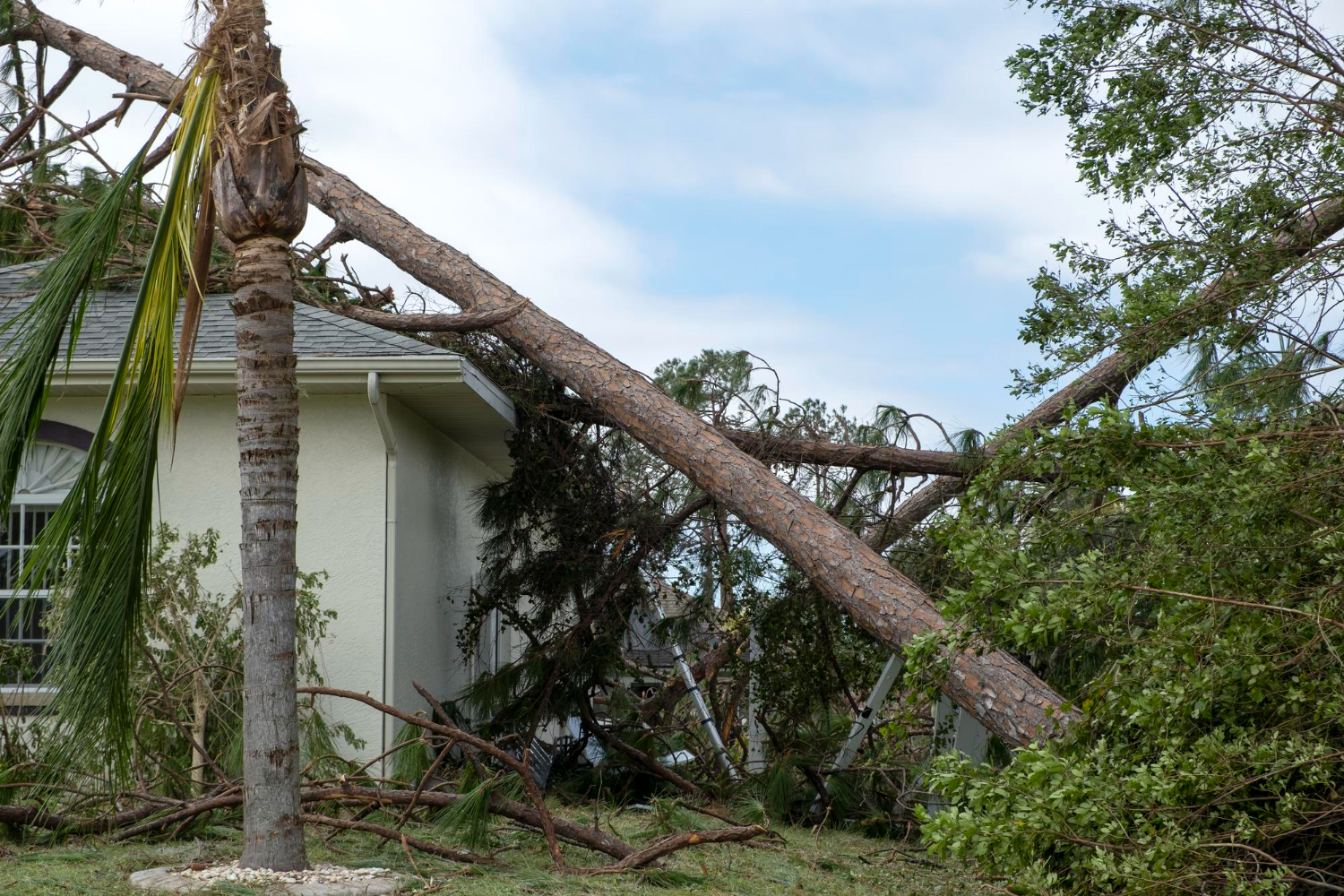
During a storm, flying debris from tree limbs, signage, or surrounding structures can strike roofs with significant force. Hail can also cause punctures or fractures in roofing materials.
Impact damage may include:
Penetrations in flat roof membranes
Cracked asphalt shingle sections
Dented metal roof panels
Compromised insulation and substrate layers
Even small punctures can allow water intrusion, leading to hidden roof damage repair needs that worsen over time.
Water Intrusion and Hidden Moisture
Heavy rain and wind-driven water can infiltrate even minor openings. Once water penetrates the roofing system, it can travel through insulation and decking before appearing as visible leaks inside the building.
Common signs of hidden moisture include:
Ceiling stains
Wet attic spaces
Dripping water near electrical fixtures
Mold growth along walls or ceilings
Without immediate storm damage repair, trapped moisture leads to structural deterioration, corrosion, and escalating restoration costs.
Immediate Steps to Take After Storm Roof Damage
Ensure Safety First
Before calling a roofer, prioritize safety. Storm-damaged roofs may be unstable, especially after tornado activity or extreme wind events.
Take these precautions:
Secure affected areas to prevent interior hazards
Avoid walking on compromised roofs
Identify active leaks and protect sensitive equipment
Shut down electrical systems near water exposure
Protecting occupants and minimizing further damage should always come first.
Document the Damage for Insurance
Proper documentation is essential for insurance claims. After storm damage roof repair needs arise, gather:
Clear photos and videos of visible roof damage
Interior images of water damage
Notes about when the storm occurred and when leaks were discovered
Promptly notify your insurance carrier and review your insurance policy for wind vs. flood distinctions. For commercial buildings, insurance claims may involve detailed roof inspection reports and contractor documentation to validate storm damage roof repair costs.
Contact an Emergency Storm Damage Roof Repair Contractor
Time is critical. Searching for “storm repair contractors near me” or “roof damage repair near me” may bring many results, but commercial properties require experienced roofing contractors who understand large-scale systems.
Rapid response reduces:
Secondary water damage
Mold growth
Insurance disputes
Business interruption
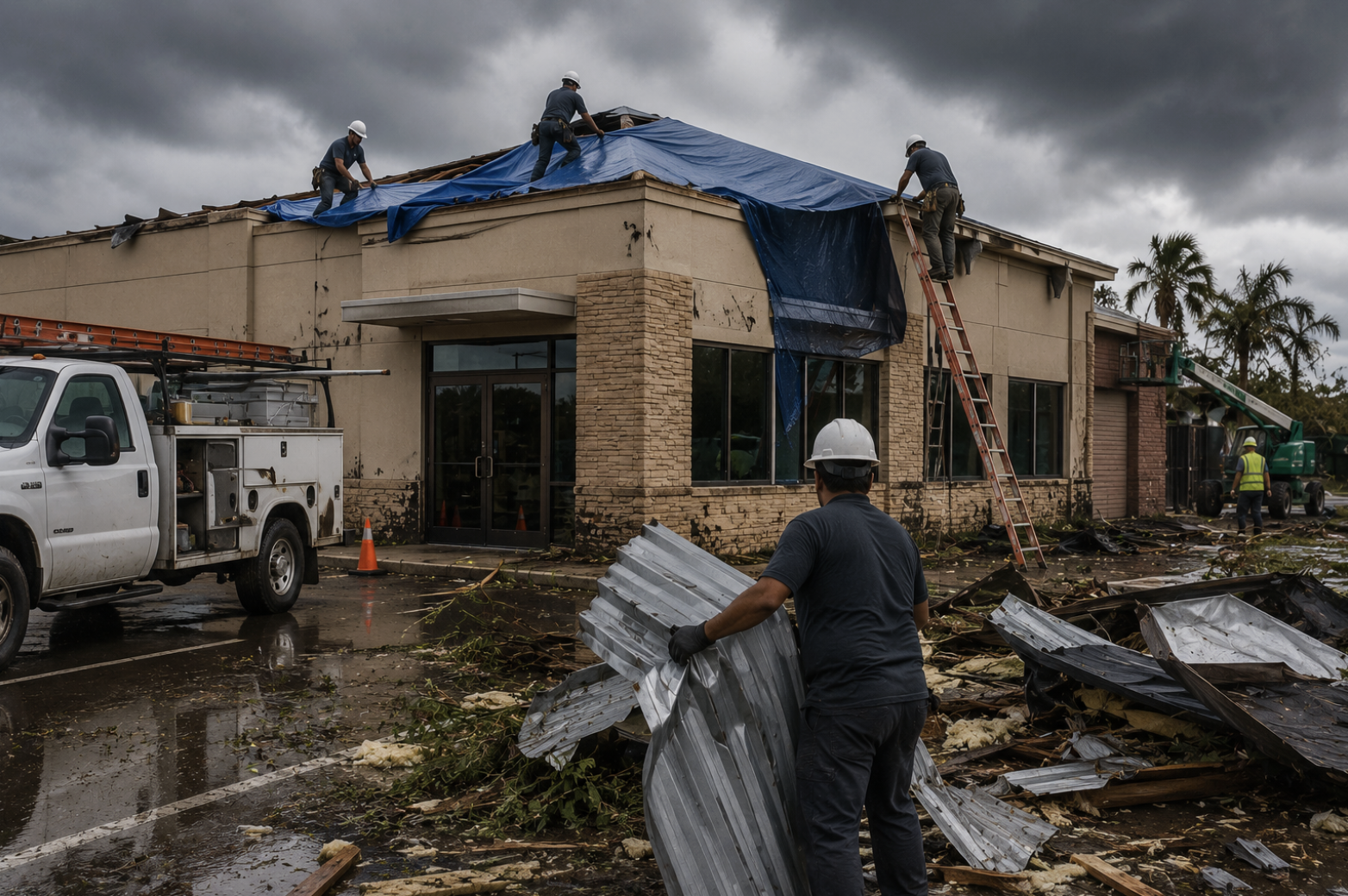
Emergency storm damage roof repair often begins with temporary stabilization such as tarping, waterproofing, and drainage clearing while a full assessment is conducted.
The Emergency Storm Damage Roof Repair Process
1. Rapid Roof Inspection and Assessment
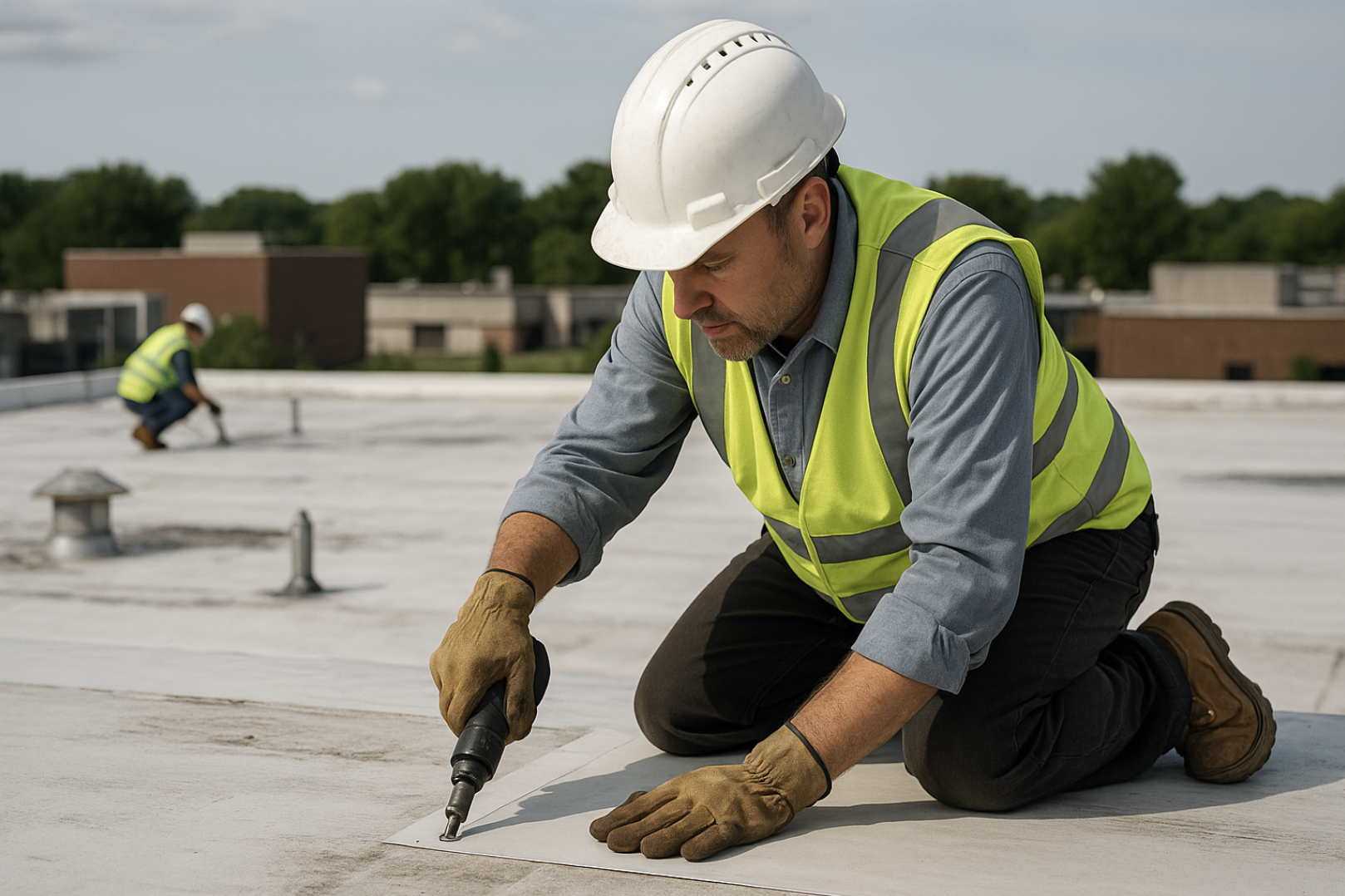
A professional roofing contractor will perform a comprehensive roof inspection, often using:
Drone imaging for multi-story buildings
Moisture detection scans
Core sampling when necessary
The goal is to distinguish between surface roof damage and deeper structural issues. This determines whether repair or full replacement is required.
2. Temporary Protection Measures
Before permanent repairs begin, contractors implement mitigation strategies such as:
Emergency tarping
Temporary waterproofing systems
Clearing clogged drains and scuppers
These steps prevent additional water infiltration while insurance approvals and material sourcing are underway.
3. Permanent Repair or Replacement
After stabilization, the next step is determining the long-term solution. Depending on the extent of roof damage, this may include:
Targeted membrane repair on a flat roof
Flashing replacement around penetrations and edges
Structural reinforcement of compromised decking
Sectional replacement of damaged roofing materials
Full roofing system replacement in severe storm damage cases
For hail damage roof repair, dented metal roof panels or fractured membranes may need removal and replacement. In cases of wind damage to roof systems, uplifted sections must be securely reattached or rebuilt to prevent repeat failures.
All permanent repairs must meet Florida Building Code standards, including high-wind uplift ratings and waterproofing requirements. Proper installation ensures your roofing warranty remains valid and protects against future extreme weather events.
Insurance Considerations for Storm Damage Roof Repair
Understanding Your Commercial Policy
Commercial property insurance policies vary significantly. It’s critical to understand:
Wind vs. flood coverage distinctions
Hurricane deductibles
Time limitations for filing insurance claims
Exclusions related to wear and tear
Some commercial policies differ from home insurance coverage that homeowners rely on for residential roofs. Commercial insurance policies often require thorough documentation and professional inspection reports before approving roof damage repair claims.
Understanding your insurance policy ahead of time helps prevent delays and disputes during the storm damage roof repair process.
Working with Adjusters and Contractors
An experienced roofing contractor plays a key role in supporting insurance claims. Contractor-assisted inspections ensure:
Accurate documentation of roof storm damage
Identification of hail, wind, or impact damage
Detailed scope of work with line-item pricing
Professional documentation helps justify hail damage roof repair cost estimates and ensures adjusters understand the full extent of water damage and structural impact.
Risks of Delaying Storm Damage Roof Repair
Escalating Structural Damage
What begins as a minor roof leak can quickly escalate. Delayed storm damage repair often leads to:
Rotting roof decking
Corrosion of metal components
Saturated insulation
Interior structural weakening
Ignoring roof damage increases long-term repair costs and may void manufacturer warranty protections.
Business Interruption and Liability
For commercial properties, roof damage can disrupt tenants and operations. Delayed repairs may cause:
Lost revenue due to closures
Tenant dissatisfaction
Liability exposure from slip-and-fall hazards
Electrical hazards caused by water intrusion
Business interruption losses often exceed the original hail damage roof repair or wind damage roof repair cost.
Increased Mold and Water Damage
Moisture spreads quickly through commercial structures. Once water penetrates ceilings or attic spaces, it can migrate through walls and flooring.
The longer roof storm damage remains unresolved, the greater the likelihood of:
Mold growth
Widespread water damage restoration needs
Higher remediation and reconstruction expenses
Immediate storm damage roof repair prevents secondary structural and environmental issues.
Why Florida Commercial Properties Require Specialized Roofing Expertise
High-Wind Zone Compliance
Florida’s roofing regulations are among the strictest in the country. Commercial roofs must meet:
Wind uplift performance ratings
Enhanced fastening requirements
Proper flashing and waterproofing standards
Working with certified roofing contractors ensures compliance with state and local codes. Storm damage roof repair that fails inspection can result in costly rework and insurance complications.
Experience with Large-Scale Commercial Roof Systems
Commercial roofs differ significantly from residential systems. Materials commonly used include:
TPO membranes
EPDM systems
Modified bitumen
Metal roof assemblies
Multi-story buildings and multi-tenant properties require careful coordination, especially when performing roof damage repair for large-scale commercial systems. Not all storm repair contractors near me have the experience necessary to handle complex commercial roofing systems.
How Coastal Reconstruction Group Handles Emergency Storm Damage Roof Repair
24/7 Rapid Response Teams Across Florida
Coastal Reconstruction Group provides immediate emergency response following severe storm events. Their teams quickly stabilize storm damage roof situations to minimize further water intrusion and structural risk.
Certified Commercial Roofing and Restoration Experts
As a licensed and insured contractor, Coastal specializes in large-scale storm damage repair for commercial properties. Their expertise includes:
Hail damage roof repair
Wind damage roof repair
Structural roof damage repair
Waterproofing and building envelope restoration
Their experienced roofers understand the urgency of commercial roofing emergencies and deliver code-compliant solutions.
Insurance-Ready Documentation and Claims Support
Coastal works directly with insurance carriers to streamline insurance claims. Their process includes:
Comprehensive inspection reports
Detailed cost breakdowns
Photographic evidence of roof damage
Assistance during adjuster walkthroughs
This documentation helps property owners maximize coverage and reduce claim disputes.
Full-Service Restoration Beyond Roofing
Storm damage often extends beyond the roof. Coastal provides:
Interior water damage repair
Attic and ceiling restoration
Mold mitigation services
Structural reinforcement and reconstruction
Their turnkey approach ensures that every aspect of storm damage roof repair and restoration is handled under one experienced team.
Conclusion – Act Fast to Protect Your Commercial Property
Florida’s storms are unpredictable and powerful. When roof damage occurs, immediate action is essential. Delaying storm damage roof repair increases structural risks, insurance complications, and overall restoration costs.
Partnering with an experienced commercial roofing contractor ensures your property is stabilized quickly, repaired properly, and restored to meet Florida’s strict building standards.
Request an Emergency Storm Damage Roof Inspection
If your commercial property has experienced storm damage, don’t wait. Contact Coastal Reconstruction Group for a rapid roof inspection and emergency storm damage roof repair assessment.
Their team will:
Stabilize active leaks
Document damage for insurance claims
Provide clear repair or replacement recommendations
Restore your roofing system to code-compliant standards
Protect your investment and your tenants — schedule your emergency inspection today.
FAQs (Frequently Asked Questions)
How soon should I repair storm-damaged roofing?
Immediately. Even minor leaks can escalate into significant water damage within days. Prompt storm damage roof repair reduces long-term costs.
Will insurance cover storm damage roof repair?
Most commercial insurance policies cover wind or hail damage, but coverage depends on your insurance policy terms. A professional inspection and documentation support your insurance claims.
Can emergency repairs prevent full roof replacement?
Yes. Early mitigation and waterproofing often prevent widespread structural damage, reducing the need for full replacement.
How long does commercial storm roof repair take?
Timelines vary depending on severity. Minor repairs may take a few days, while larger structural repairs or replacements can take several weeks.
What types of commercial roofs are most vulnerable to storm damage?
Flat roof systems, older metal roof assemblies, and improperly fastened membranes are particularly vulnerable to wind damage to roof structures and hail impact.