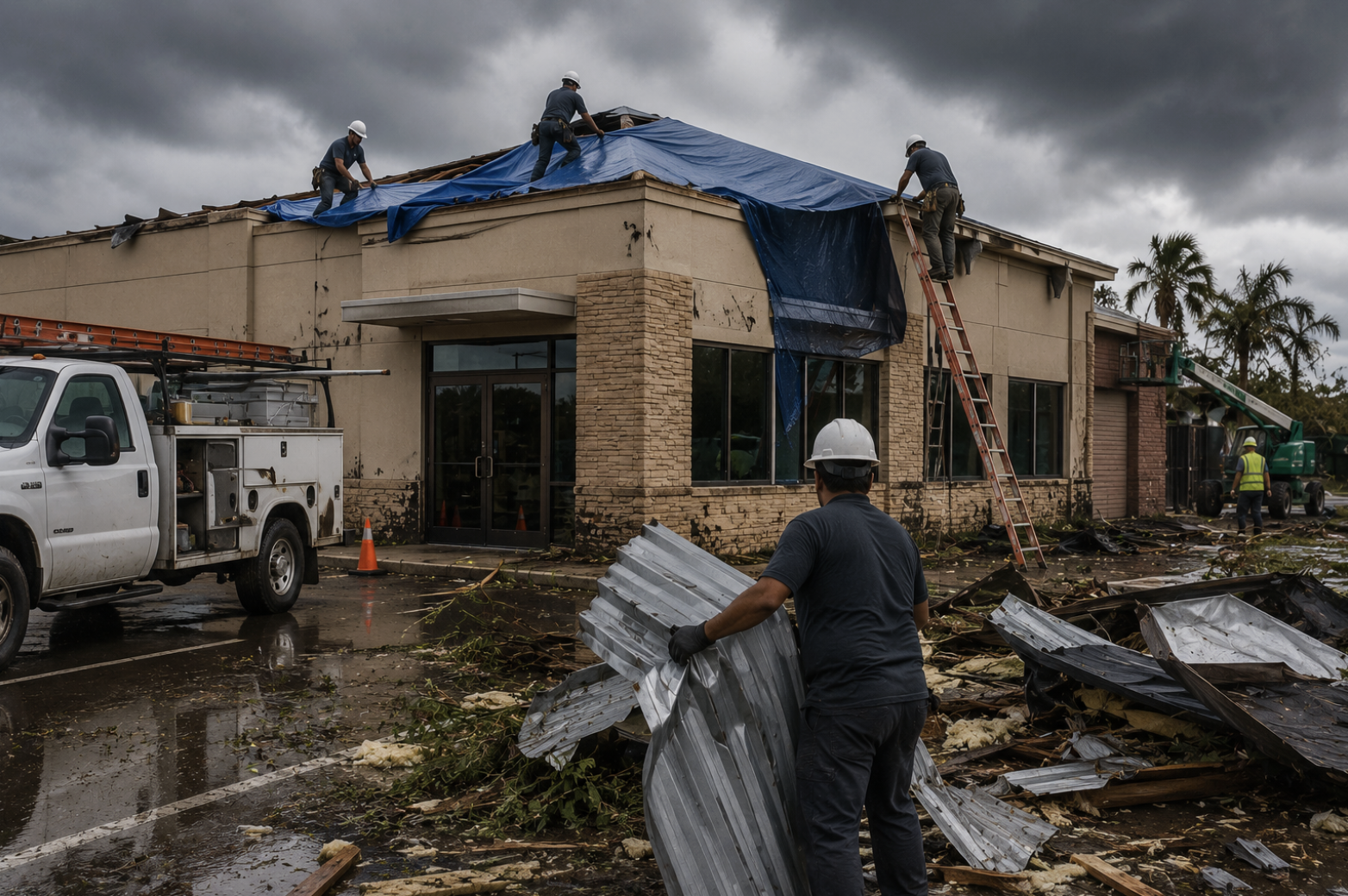
Florida businesses face unique challenges when severe weather strikes. From hurricanes and tropical storms to powerful thunderstorms, high winds can cause significant commercial property damage in a matter of minutes. Damaged roofs, broken windows, water intrusion, and structural damage can disrupt operations, create safety hazards, and lead to costly repairs.
When wind damage occurs, fast action is essential. Emergency commercial wind damage repair helps protect buildings from further deterioration while minimizing downtime and supporting a faster recovery process. Understanding the risks, warning signs, and recovery process can help business owners make informed decisions when disaster strikes.
Understanding Wind Damage Risks for Commercial Properties in Florida
Florida's climate creates year-round exposure to severe weather events that can impact commercial facilities of every size.
Common Causes of Wind Damage in Florida
Commercial properties are frequently exposed to high winds generated by hurricanes, tropical storms, severe thunderstorms, tornadoes, and other severe weather events. Even storms that do not make direct landfall can produce wind speeds capable of damaging roofs, siding, windows, and exterior structures.
Wind uplift can place tremendous pressure on roofing systems, while flying debris can compromise building exteriors and create openings that allow water to enter the property.
How Hurricanes, Tropical Storms, and Severe Thunderstorms Impact Commercial Buildings
Florida's hurricane season presents one of the greatest threats to commercial buildings. Strong winds can remove roofing materials, damage HVAC systems, break windows, and weaken structural components.
Severe storms may also bring storm surge and heavy rainfall, increasing the risk of water intrusion throughout the property. As water enters through compromised areas, businesses often face additional concerns such as mold growth, damaged equipment, and operational disruptions.
Hidden Wind Damage Business Owners Often Overlook
Not all storm-related damage is immediately visible. Hidden damage may include loosened roofing materials, compromised flashing, damaged insulation, weakened structural connections, or moisture trapped inside walls and ceilings.
Without a professional inspection, these problems can go undetected and worsen over time, resulting in more extensive repairs and higher restoration costs.
Signs Your Commercial Building Needs Immediate Wind Damage Repair
Recognizing wind damage early can help prevent further property loss and reduce overall restoration expenses.
Roof Damage and Missing Roofing Materials
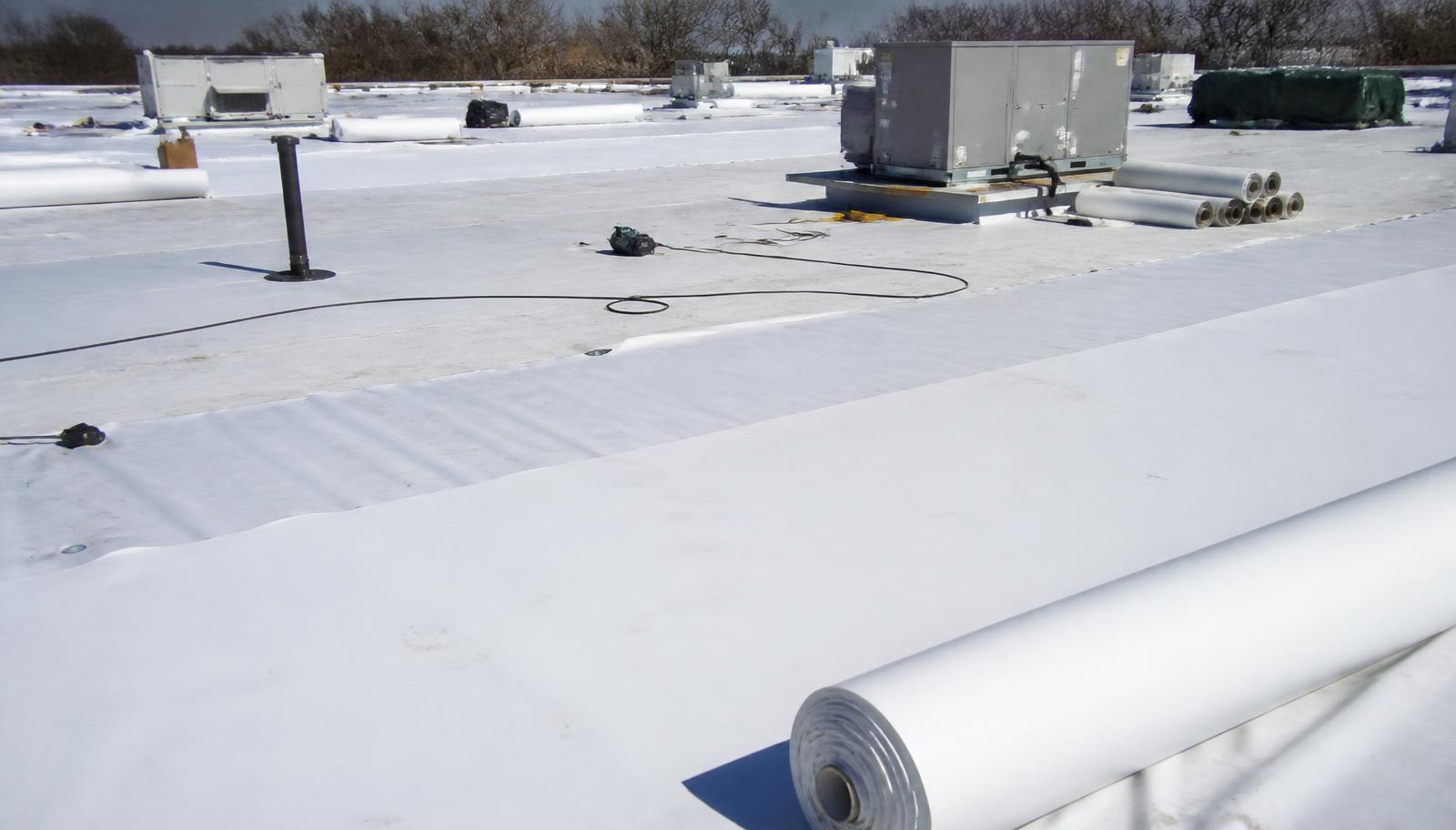
Roof damage is one of the most common consequences of severe weather. Missing shingles, damaged membranes, punctures, lifted roofing components, and exposed underlayment can leave the building vulnerable to leaks and additional deterioration.
Prompt repairs help preserve the integrity of the roofing system and protect the interior from further damage.
Broken Windows and Damaged Exterior Components
Broken windows, damaged doors, cracked siding, and compromised exterior finishes often indicate that a property has experienced significant wind forces.
These openings allow rainwater, moisture, and debris to enter the building, creating additional restoration challenges if left unaddressed.
Water Intrusion and Structural Concerns
Water intrusion is often a secondary effect of wind damage. Once the building envelope is compromised, moisture can spread throughout walls, ceilings, flooring systems, and mechanical spaces.
Over time, prolonged exposure to moisture can weaken structural materials and create conditions favorable to mold growth and indoor air quality issues.
Safety Risks for Employees, Customers, and Tenants
Damaged structures, loose building materials, exposed electrical systems, and fallen debris can create serious hazards for occupants.
Protecting employees, customers, tenants, and visitors should be a top priority following any major storm event.
The Importance of Emergency Commercial Wind Damage Repair
Taking immediate action after a storm helps reduce risks and accelerate the recovery process.
Preventing Additional Property Damage
The longer damage remains exposed, the greater the likelihood of additional deterioration. Rainwater, moisture, and ongoing weather exposure can quickly turn a manageable repair project into a major reconstruction effort.
Emergency response measures such as tarping, board-up services, and structural stabilization help prevent further damage while permanent repairs are planned.
Reducing Business Interruption and Downtime
Business interruption can have a significant financial impact on commercial property owners and tenants. Every day a facility remains partially or fully inoperable may result in lost revenue, delayed operations, and customer dissatisfaction.
Fast restoration efforts help businesses resume operations more quickly and minimize costly downtime.
Protecting Equipment, Inventory, and Assets
Commercial properties often contain valuable equipment, technology systems, inventory, and operational assets. Once water intrusion begins, these items may be at risk of damage or total loss.
Timely water mitigation and property restoration services help safeguard critical business resources and reduce replacement expenses.
Supporting a Successful Insurance Claim
Comprehensive documentation is essential during the insurance claim process. Professional restoration contractors can provide photographs, damage assessments, repair estimates, and insurance documentation that support claim submissions.
This information can help streamline communication with insurers and support the claims process.
The Commercial Wind Damage Repair Process
A structured restoration approach helps ensure that all damage is properly addressed and that the property is safely restored.
Emergency Assessment and Site Stabilization
The process begins with a thorough inspection of the affected property. Restoration professionals evaluate visible and hidden damage, identify safety concerns, and develop a recovery plan.
Initial stabilization may also include debris removal and hazard cleanup to create safe access for inspections, mitigation, and repairs.
Temporary Roof Tarping and Building Protection
Temporary roof tarping and protective coverings help secure vulnerable areas of the building until permanent repairs can be completed.
Board-up services may also be used to protect broken windows, doors, and other exposed openings from weather and unauthorized access.
Structural and Exterior Repairs
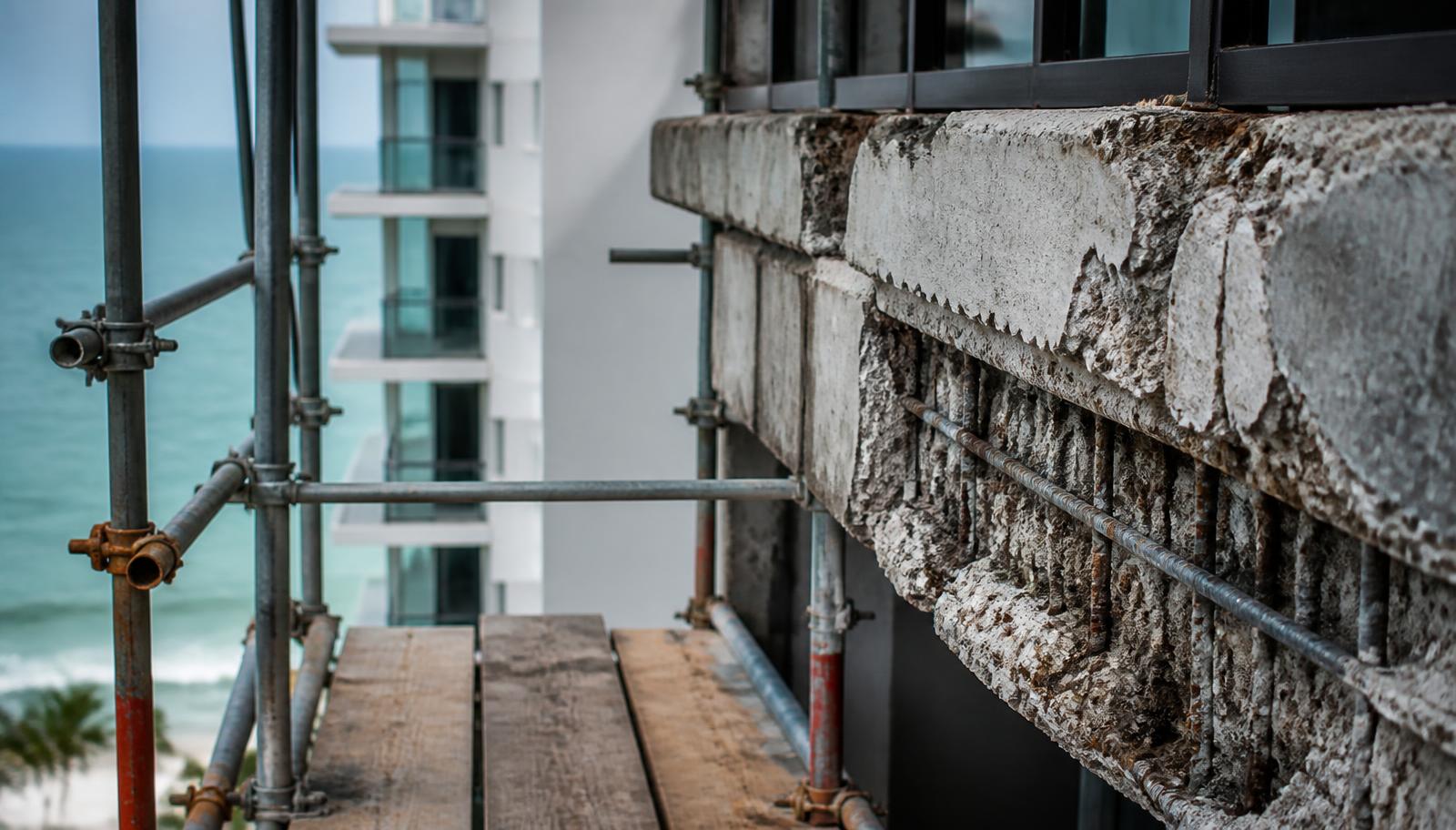
Once the property is stabilized, repair efforts focus on restoring damaged structural components, roofing systems, windows, siding, and other exterior building elements.
Addressing these issues promptly helps restore the building envelope, reinforce compromised structural components, and improve resilience against future storms.
Water Mitigation and Moisture Removal
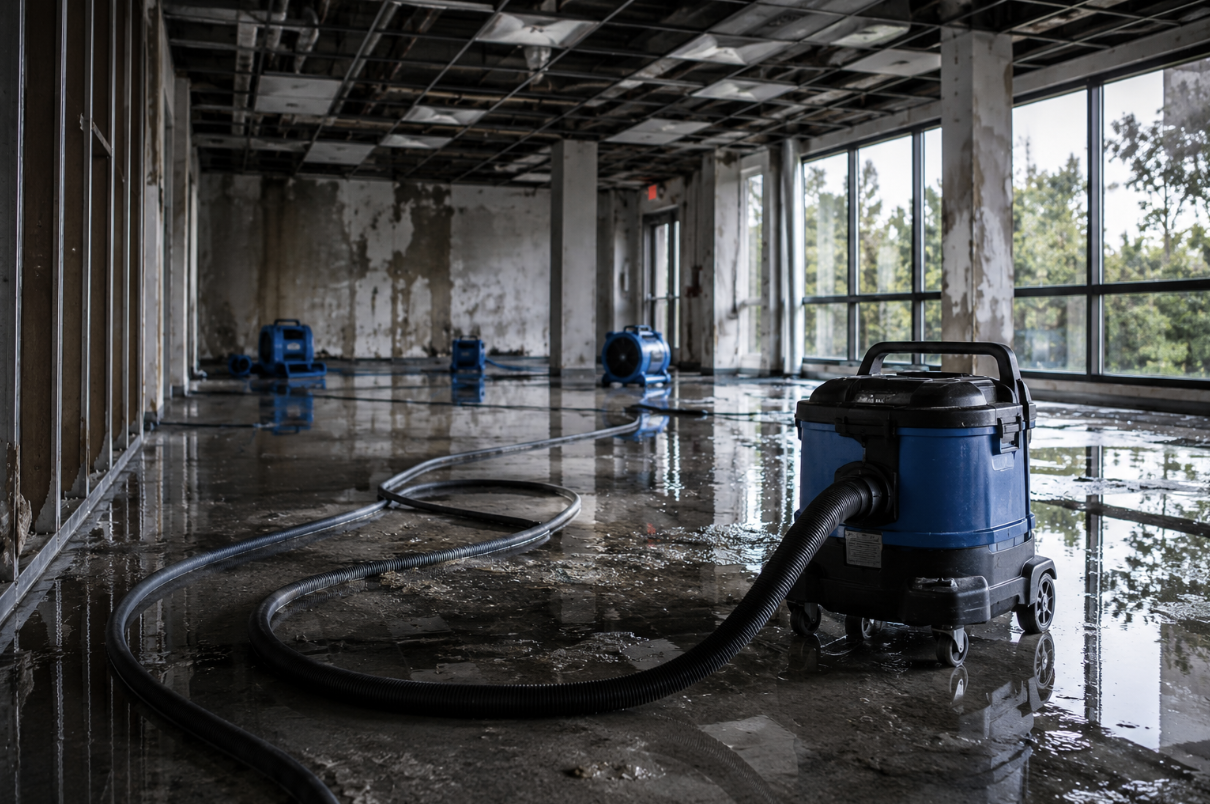
If water intrusion has occurred, specialized equipment is used for water mitigation, drying, dehumidification, and moisture removal.
These efforts help prevent secondary damage, reduce the risk of mold growth and structural decay, and create a safer environment for occupants.
Full Restoration and Reconstruction
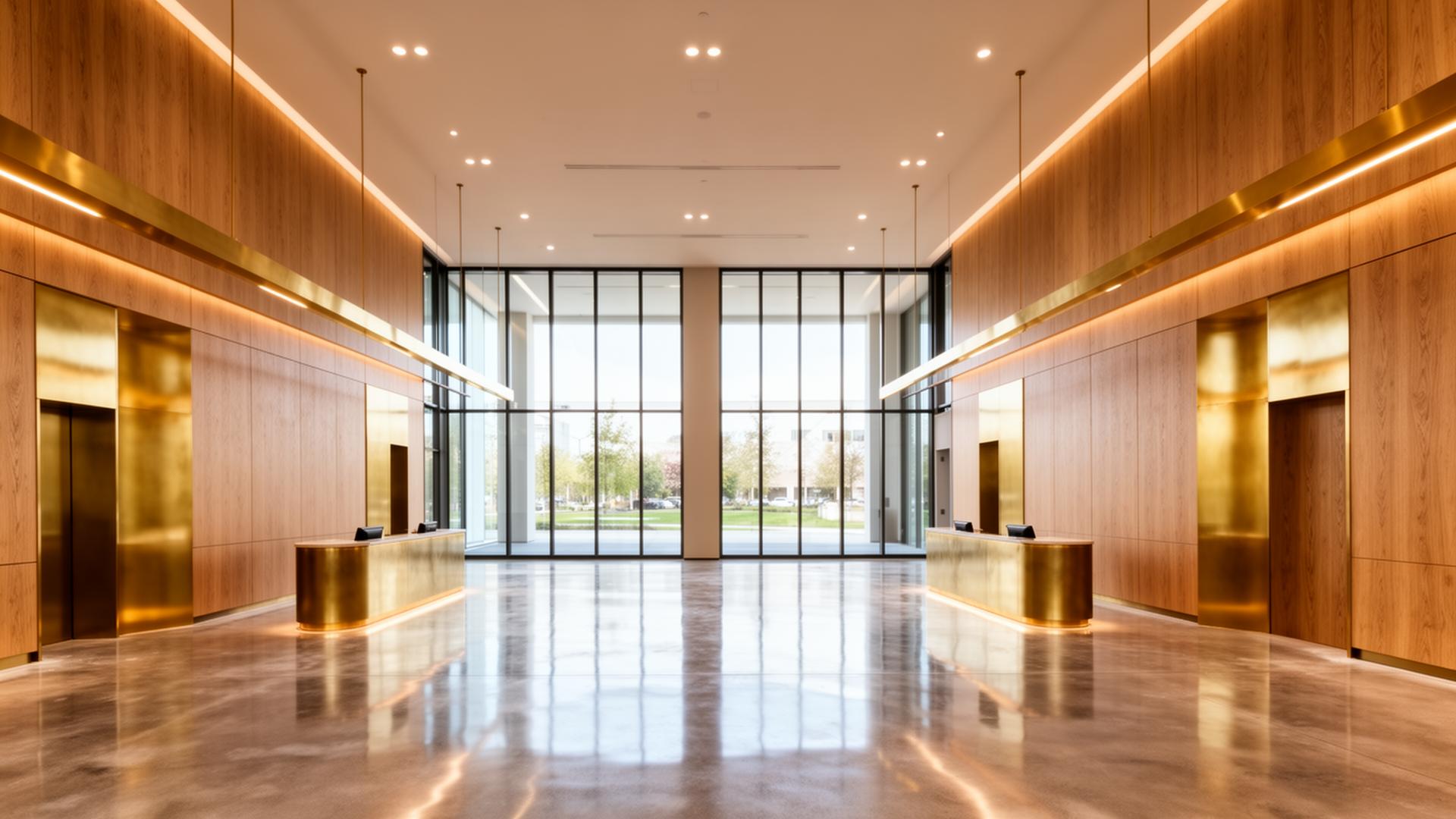
The final phase includes comprehensive reconstruction services designed to restore the property safely and support long-term recovery goals.
This may involve interior repairs, exterior restoration, finish replacement, structural improvements, and other necessary upgrades that support long-term durability and disaster recovery goals.
How to Choose a Commercial Wind Damage Repair Contractor in Florida
Selecting the right contractor can significantly impact the success of a restoration project.
Commercial Restoration Experience Matters
Commercial projects often involve larger structures, more complex systems, and stricter operational requirements than residential repairs.
Choosing a contractor with extensive commercial restoration experience helps ensure the work is completed efficiently and according to industry standards.
24/7 Emergency Response Capabilities
Storm damage rarely occurs during normal business hours. Contractors that offer 24/7 emergency response can quickly assess damage and implement protective measures when time is critical.
Rapid response often reduces overall restoration costs and helps prevent additional losses.
Insurance Claim Assistance and Documentation
A knowledgeable restoration partner can assist with documentation, inspections, and communication throughout the insurance claim process.
This support helps business owners focus on recovery while ensuring important information is properly documented.
Full-Service Restoration and Reconstruction Solutions
Working with a contractor that provides both restoration and reconstruction services simplifies project management and improves continuity throughout the recovery process.
From debris removal and water mitigation to structural repairs and complete rebuilding, a full-service provider can manage every phase of the project.
Conclusion
Wind damage can have serious consequences for Florida businesses, affecting building safety, operations, and long-term property value. Whether caused by hurricanes, tropical storms, or severe weather events, commercial wind damage should be addressed as quickly as possible.
Investing in emergency commercial wind damage repair helps prevent further damage, supports faster recovery, and protects the people and assets that keep your business running.
Contact Coastal Reconstruction Group for Emergency Commercial Wind Damage Repair
When severe weather impacts your commercial property, Coastal Reconstruction Group is ready to respond. Our team provides emergency damage assessments, roof and structural stabilization, water extraction and drying, debris removal, and complete commercial wind damage restoration services throughout Florida.
Contact Coastal Reconstruction Group today to schedule an assessment and learn how our experienced restoration professionals can help your business recover quickly and safely.
FAQs (Frequently Asked Questions)
How quickly should wind damage be repaired on a commercial building?
Wind damage should be addressed immediately. Prompt repairs help prevent additional water intrusion, structural deterioration, and increased restoration costs.
Does commercial insurance cover wind damage repairs?
Many commercial insurance policies provide coverage for wind-related damage, although coverage limits and exclusions vary. Property owners should review their policies and consult their insurance provider for details.
What types of commercial properties can suffer wind damage?
Office buildings, multifamily properties, hotels, healthcare facilities, retail centers, warehouses, and other commercial facilities can all experience wind-related damage during severe weather events.
Can wind damage lead to water damage and mold growth?
Yes. Damaged roofs, windows, and exterior walls can allow moisture to enter the building. Without proper drying and water mitigation, mold growth may develop within affected areas.
Why is temporary roof protection important after a storm?
Temporary roof tarping helps prevent additional water intrusion and protects the property until permanent repairs can be completed, reducing the risk of further damage.