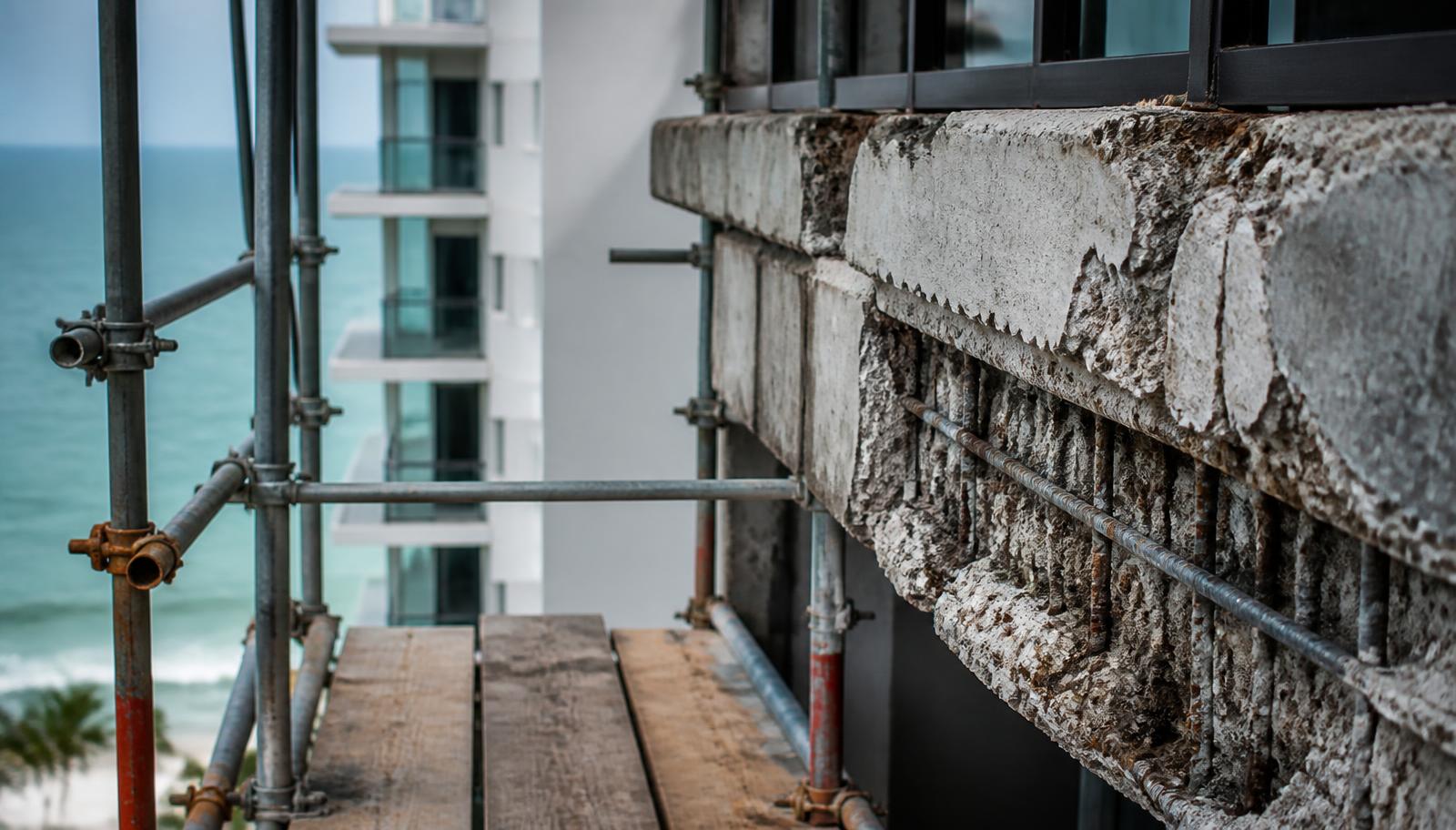
Florida milestone inspections and Structural Integrity Reserve Studies, commonly called SIRS, create planning responsibilities for eligible condominium and cooperative associations. The inspection and study are performed by the professionals authorized for those services; a commercial general contractor is typically brought in after findings identify repair, restoration, or capital-improvement needs. Boards should budget for the full path from professional evaluation through scope, funding, permitting, construction, and closeout.
What is a Florida milestone inspection?
A Florida milestone inspection is a required structural evaluation for certain condominium and cooperative buildings, generally focused on structural integrity and life-safety concerns under Florida law. The exact applicability, timing, and current deadlines depend on the statute and applicable guidance in effect when the association is evaluating its obligations. Boards should confirm current requirements with the Florida Department of Business and Professional Regulation and qualified professionals.
The inspection is not the same as a contractor’s repair estimate. A licensed architect or engineer evaluates the building under the applicable rules. The resulting findings may identify conditions that require further design, permitting, repair, or ongoing monitoring.
What is a SIRS and how is it different?
A Structural Integrity Reserve Study evaluates required structural and life-safety components and establishes reserve-planning information for eligible associations. A milestone inspection addresses an inspection requirement; a SIRS addresses reserve funding and component planning. They may inform one another, but they are not interchangeable documents.
Components can include structural systems, roofs, load-bearing walls, fireproofing, fire protection, plumbing, electrical systems, waterproofing, windows, and other items defined by applicable law and professional scope. Boards should obtain current statutory and professional guidance rather than relying on an old checklist.
Which buildings may be subject to Florida milestone inspections?
Florida milestone-inspection requirements generally apply to certain condominium and cooperative buildings that meet the applicable height and jurisdictional criteria, not to every commercial building in the state. The association’s building type, number of stories, certificate-of-occupancy history, proximity to the coastline, and current law all matter.
Because Florida requirements have been amended and deadlines have changed, the board should not assume that an online article has the current answer for a particular property. Use official Florida sources and a qualified engineer or architect to confirm applicability and timing.
What should a condo board budget for after an inspection?
A board should budget for professional evaluation, engineering or architectural services, testing, design, permitting, temporary protection, construction, contingency, and post-work documentation when findings identify repair needs. The cost and sequence depend on the building’s condition and the scope identified by the professionals.
| Planning stage | Budget question |
|---|---|
| Records and access | Are drawings, maintenance records, prior reports, and safe access available? |
| Inspection and study | Which licensed professional is responsible and what components are included? |
| Scope development | Are testing, exploratory openings, design, and permitting needed? |
| Construction | Will work be phased around residents, tenants, amenities, or weather? |
| Closeout | What testing, warranties, approvals, photographs, and maintenance records are required? |
What happens if an inspection identifies structural repairs?
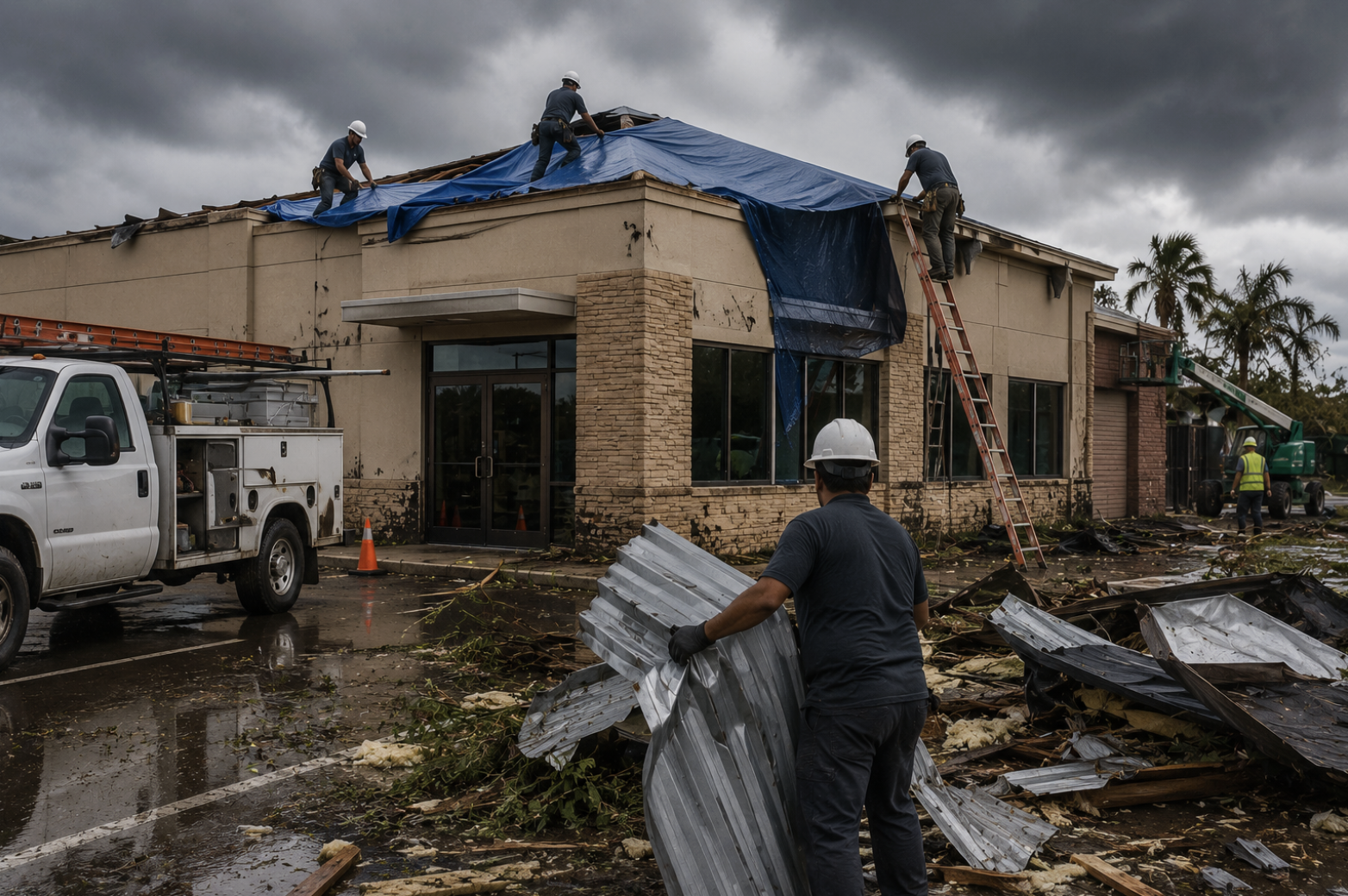
When an inspection identifies repair needs, the association should work with the inspecting professional to understand priority, design requirements, safety controls, and the appropriate construction path. Some conditions may require immediate stabilization or restricted access; others may be planned through a permitted capital project. The engineer or architect should define the technical repair requirements.
A contractor can then help develop pricing, sequencing, logistics, and construction execution. CRG’s commercial structural repair capability can support repair and reconstruction work once the professional scope is established.
How should repairs be phased in an occupied condominium?
Occupied condo repairs should be phased around resident access, life safety, waterproofing, noise, dust, weather, and the building’s essential systems. Balcony, façade, waterproofing, roof, plumbing, and structural work each create different temporary conditions. The plan should explain access restrictions, protection, staging, resident communication, and emergency procedures.
Coastal exposure, humidity, wind-driven rain, and Florida weather can influence scheduling and material protection. Work should not be sequenced only for contractor convenience if it creates unnecessary resident moves or leaves an open building envelope exposed.
What role does the building envelope play?
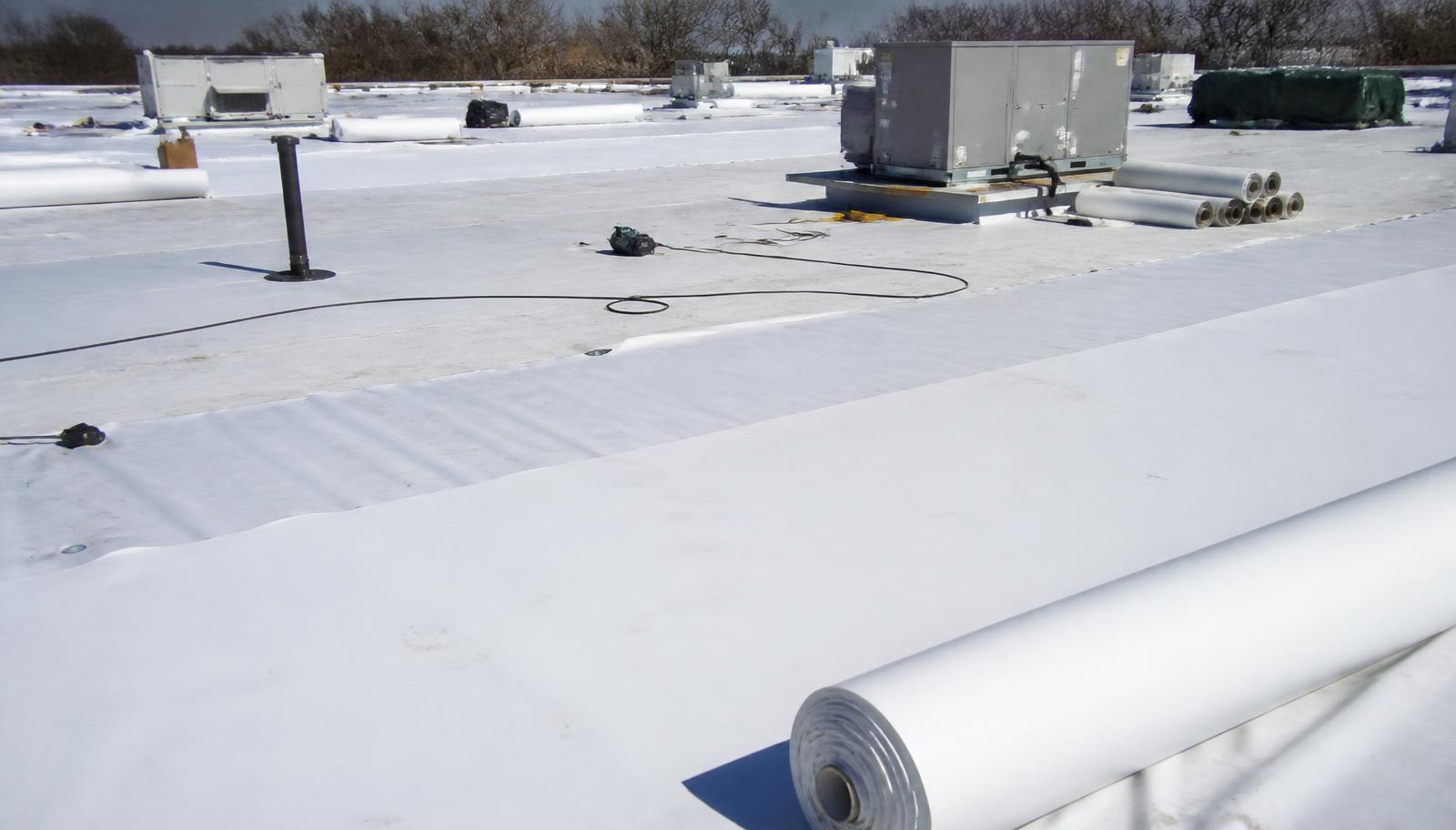
The building envelope protects the structure and interior from rain, wind, humidity, and air movement, so envelope findings should be coordinated with structural and waterproofing decisions. Roofs, balconies, windows, sealants, walls, flashings, and drainage work can overlap. Treating each symptom separately can miss how water moves through the assembly.
CRG’s roof and envelope service can be part of a coordinated capital-improvement program. The specific repair method should follow the professional evaluation, approved design, applicable code, and project conditions.
How should boards communicate inspection-related work?
Boards should communicate what is known, what the professional report says, what remains under evaluation, and how access or funding decisions will be handled. Residents need practical information about balconies, parking, corridors, windows, amenities, noise, and temporary closures. The board should avoid turning preliminary observations into definitive technical conclusions.
Clear records help the association explain decisions over time. Keep professional reports, meeting actions, scopes, permits, change documentation, photographs, and closeout records in an organized property file.
Who should manage milestone-related repair construction?
The association should select a qualified commercial contractor that can coordinate with the engineer or architect, residents, management, authorities, and specialty trades. Look for experience with occupied properties, structural or envelope work, documentation, safety planning, and phased access.
Related CRG information on balcony waterproofing in Florida’s coastal properties provides additional context. Boards can also review multi-family and condominium construction services and contact CRG when professional findings are ready to translate into a construction plan.
Frequently asked questions
Does a contractor perform the Florida milestone inspection?
Typically, the required structural inspection is performed by a qualified architect or engineer under the applicable law. A contractor may be engaged later for repair, restoration, or reconstruction work based on the professional findings.
Are milestone inspections required for every Florida commercial building?
No. The requirements apply to certain condominium and cooperative buildings meeting applicable criteria. Confirm the current law and property-specific applicability with DBPR and a qualified professional.
Is a SIRS the same as a milestone inspection?
No. A milestone inspection and a Structural Integrity Reserve Study serve different purposes, although both can influence long-term repair and reserve planning.
Can milestone repairs be completed while residents remain onsite?
Some work can be phased around occupied areas, while other scopes may require temporary relocation or restricted access. The appropriate plan depends on the professional scope, risk, building systems, and resident needs.