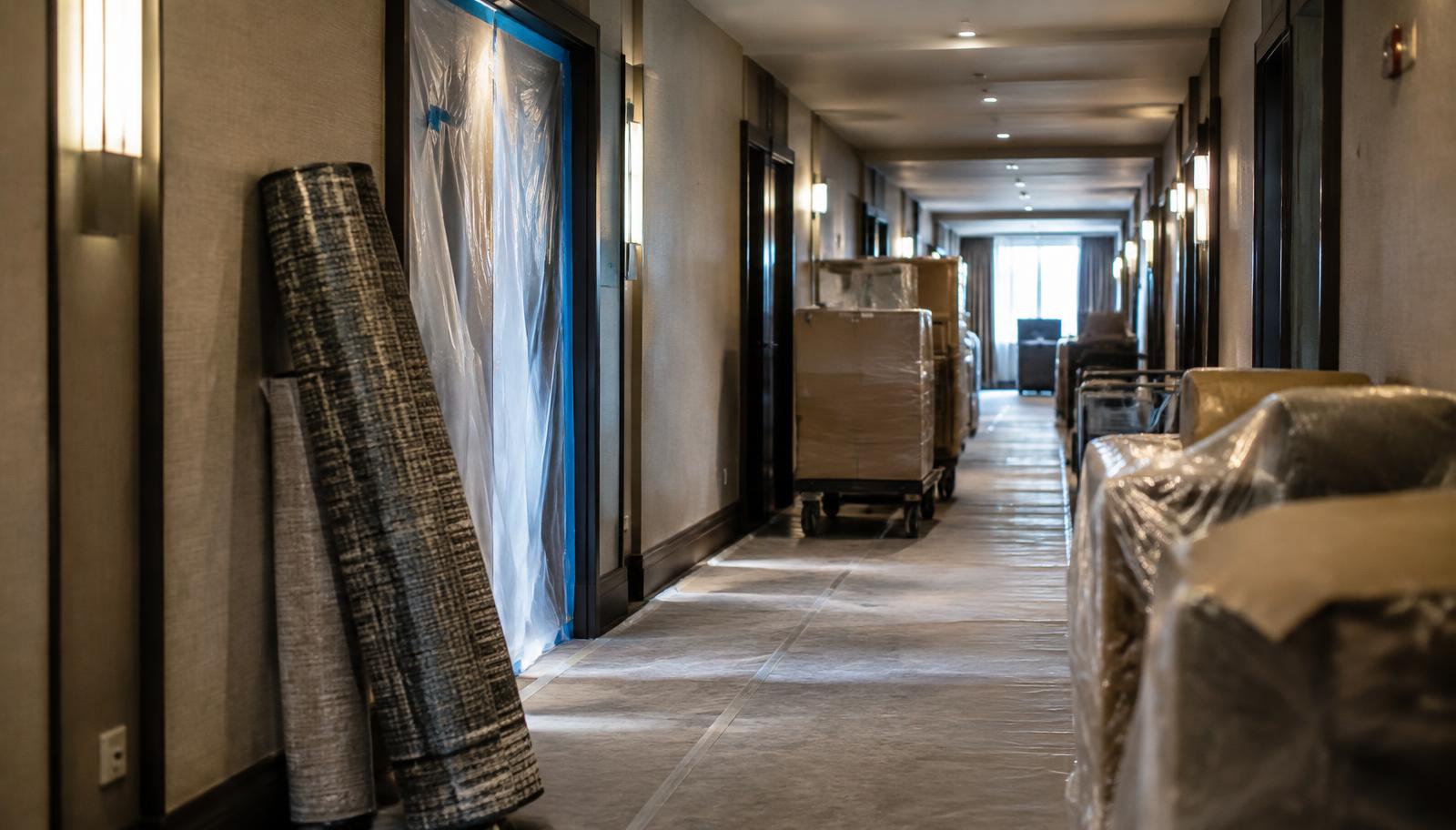
A hotel property improvement plan (PIP) is the list of upgrades a hotel brand requires before it will approve a franchise renewal, a sale, a conversion to its flag, or continued affiliation. It names what must be repaired, replaced or redesigned, and sets deadlines for each item. For an owner, the PIP is effectively a capital project with a fixed scope and a brand inspection at the end.
Quick answer: A hotel PIP is a brand-issued scope of required improvements, usually triggered by a franchise renewal, change of ownership or rebrand. Owners turn it into a budget, a phased schedule and a construction contract, then deliver it while the hotel stays open where possible. Coastal Reconstruction Group, a commercial general contractor in Longwood, Florida, provides PIP compliance support for hotels across the Southeast, from scope development through brand inspection, alongside occupied renovation phasing.
What is a hotel property improvement plan?
A hotel property improvement plan is a written report from a brand, after it inspects the property, that lists every item the hotel must bring up to current brand standards. Brand standards are the franchisor's required finishes, fixtures, layouts, technology and service elements that every hotel under the flag must meet.
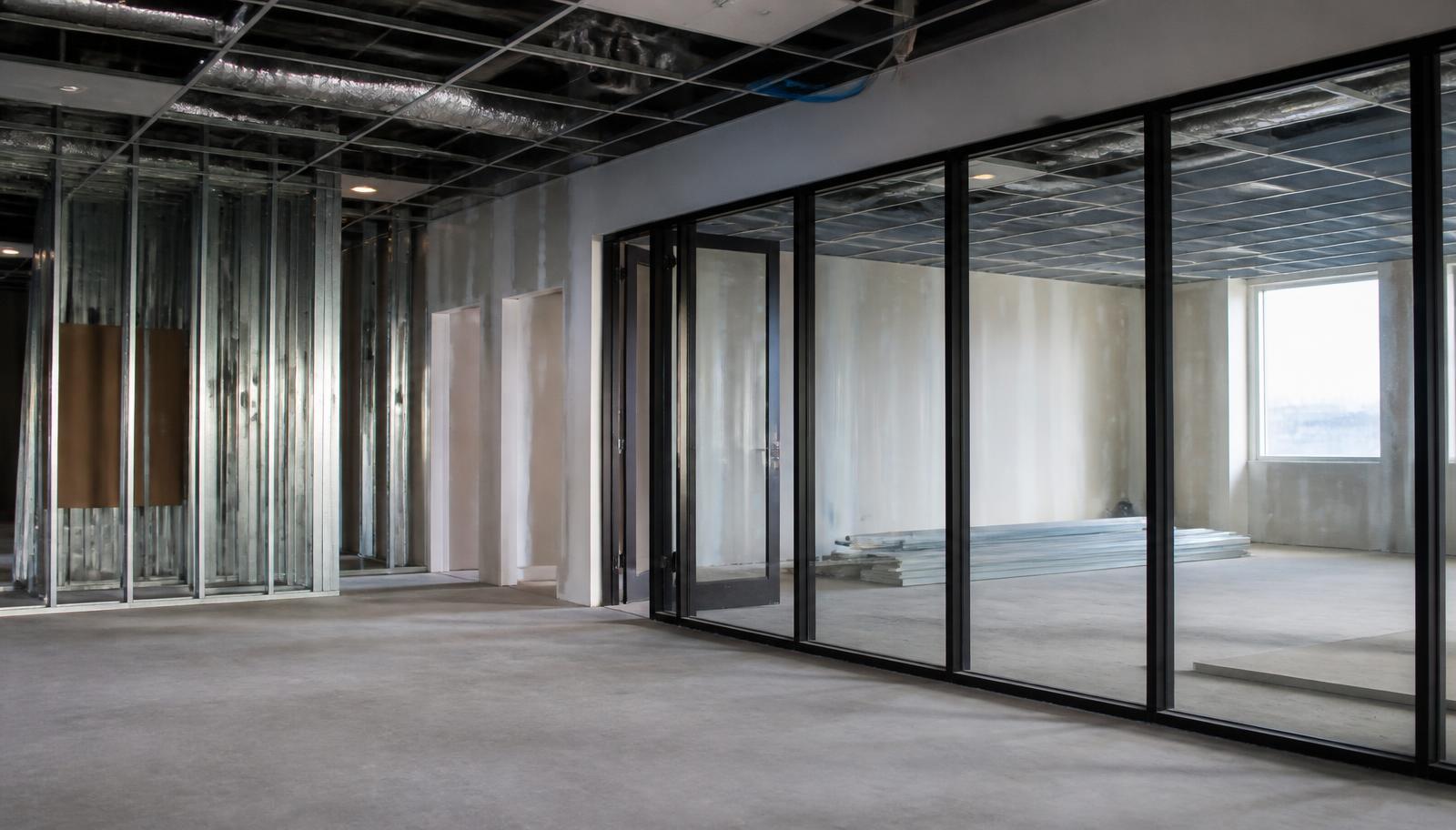
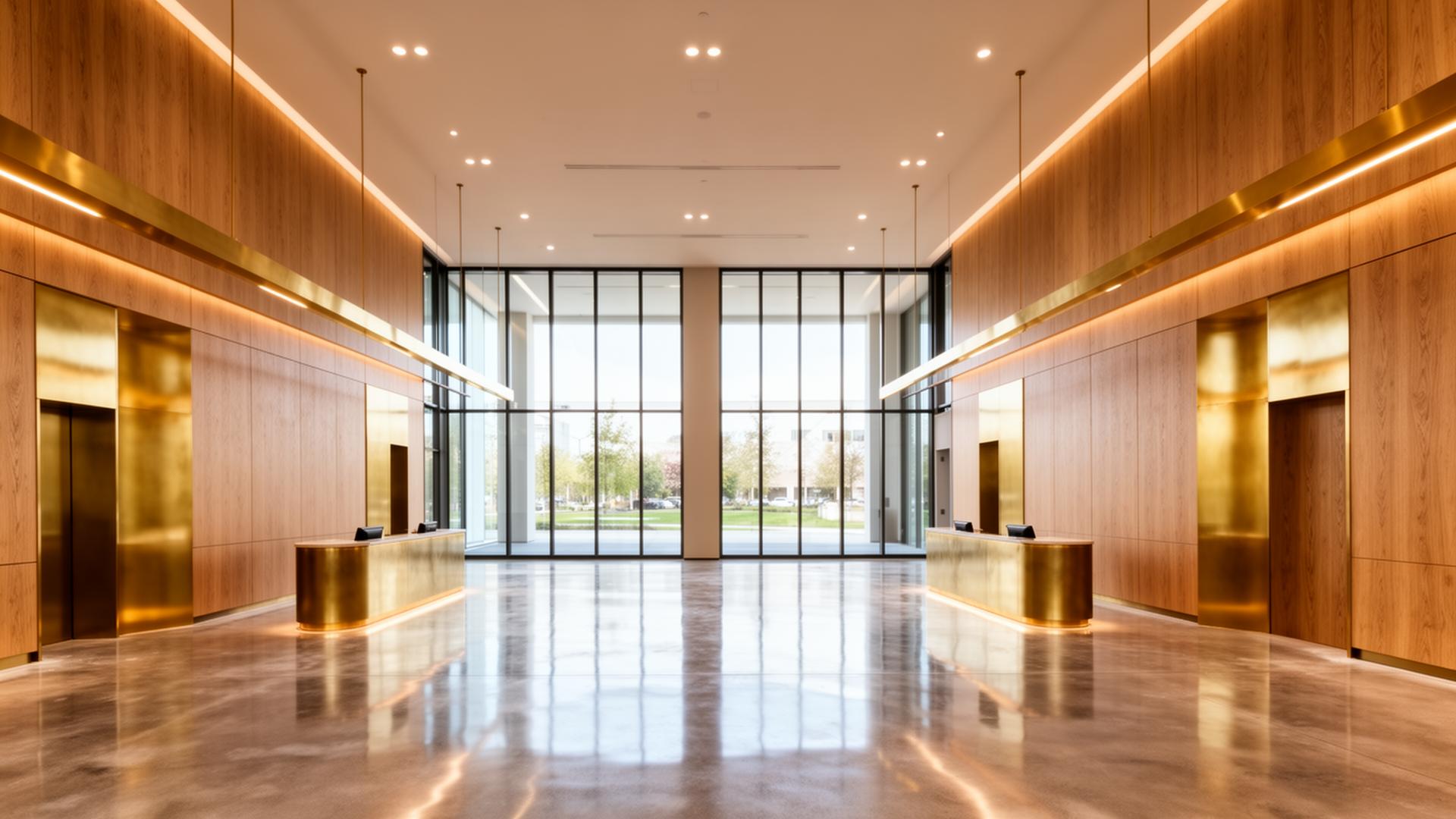
A typical PIP covers guest rooms (case goods, soft goods, bathrooms, lighting), corridors, the lobby and public areas, food and beverage spaces, the pool and fitness areas, the exterior and signage, and back-of-house items. Each line usually carries a priority or a due date. Some items are cosmetic; others involve life safety, accessibility or building systems.
What triggers a hotel PIP?
Most PIPs are triggered by one of four events: a franchise renewal, a change of ownership, a conversion to a new brand, or a brand standards update.
- Franchise renewal: the brand inspects the hotel before extending the license agreement.
- Change of ownership: a buyer often receives a "change of ownership PIP" that must be accepted as a condition of transferring the franchise.
- Conversion: a hotel joining a new flag must meet that brand's standards before or shortly after reopening under the new name.
- Standards updates: brands periodically refresh room prototypes and public area concepts, and existing hotels are given a window to comply.
Lenders and buyers read the PIP closely because its scope affects the value of the asset and the capital needed after closing.
What does a hotel PIP usually include?
A PIP usually combines visible guest-facing upgrades with less visible code, accessibility and system work. Owners who budget only for finishes are often surprised by the second group.
| Area | Common PIP items | What owners often miss |
|---|---|---|
| Guest rooms | Case goods, beds, carpet or hard flooring, drapery, lighting, TVs | Electrical capacity and outlet locations for new furniture layouts |
| Guest bathrooms | Tub to shower conversions, vanities, tile, fixtures | Waterproofing and subfloor repair once old finishes are removed |
| Corridors and lobby | Wallcovering, carpet, lighting, front desk, lounge furniture | Fire alarm devices, exit signage and door hardware affected by the new layout |
| Accessibility | Mobility and communication feature rooms, accessible routes | Path of travel upgrades triggered by the altered areas |
| Exterior | Paint, porte cochere, signage, parking lot, landscaping | Concrete, sealant and roof repairs found during exterior work |
For broader scopes, Coastal's full renovation services and interior and exterior upgrades cover the guest room, public area and exterior packages a PIP typically lists.
How do ADA requirements affect a hotel PIP?
When a PIP alters guest rooms or public areas, the 2010 ADA Standards for Accessible Design apply to the altered work, so accessibility must be scoped from the start. Under section 224.1.1 of the 2010 ADA Standards, when guest rooms are altered, the required number of accessible rooms is based on the rooms being altered until the hotel meets the count required for new construction.
Alterations to primary function areas such as a lobby can also require an accessible path of travel to the altered area, including restrooms serving it. The Department of Justice rules treat path of travel costs as disproportionate when they exceed 20% of the cost of the alteration to the primary function area, and set a priority order for what to provide first, starting with an accessible entrance and route. Coastal's ADA compliance renovation work is built around those requirements; final determinations belong to the design team and the authority having jurisdiction.
How long does a hotel PIP take to complete?
PIP timelines are set by the brand, and the construction schedule has to fit inside that deadline along with design, brand approval and procurement. Brands commonly allow different windows for different items, with life safety and critical items due first and full room renovations given longer.
The construction phase is rarely the longest part. Design development, brand review of drawings and samples, permitting and lead times for furniture, fixtures and equipment (FF&E) often take as long as the build. Starting procurement early is the most reliable way to protect the deadline.
How do owners budget for a hotel PIP?
A PIP budget should be built line by line from the PIP report, then tested against site conditions before it is locked. Cost depends on the number of keys, the brand tier, the age of the building, whether bathrooms are converted, how much accessibility work is triggered, and how many rooms can be taken out of service at once.
- Price hard construction, FF&E and operating supplies and equipment (OS&E) separately so each can be tracked.
- Walk the building with the contractor before bidding so concealed conditions such as water damage behind tile are identified early.
- Carry a contingency for conditions found after demolition.
- Include the revenue impact of out-of-order rooms in the project cost, not just construction dollars.
Can a hotel stay open during a PIP renovation?
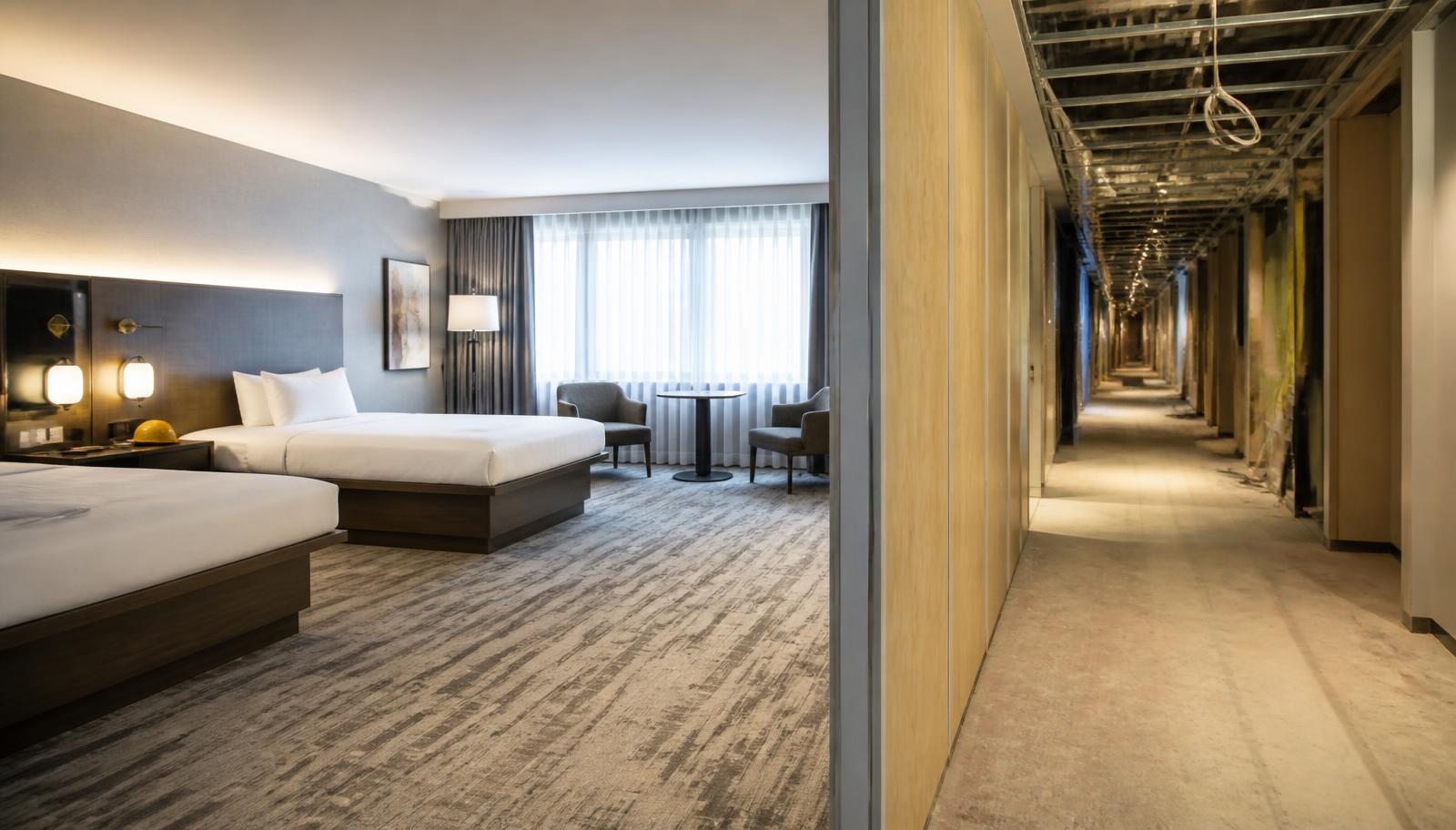
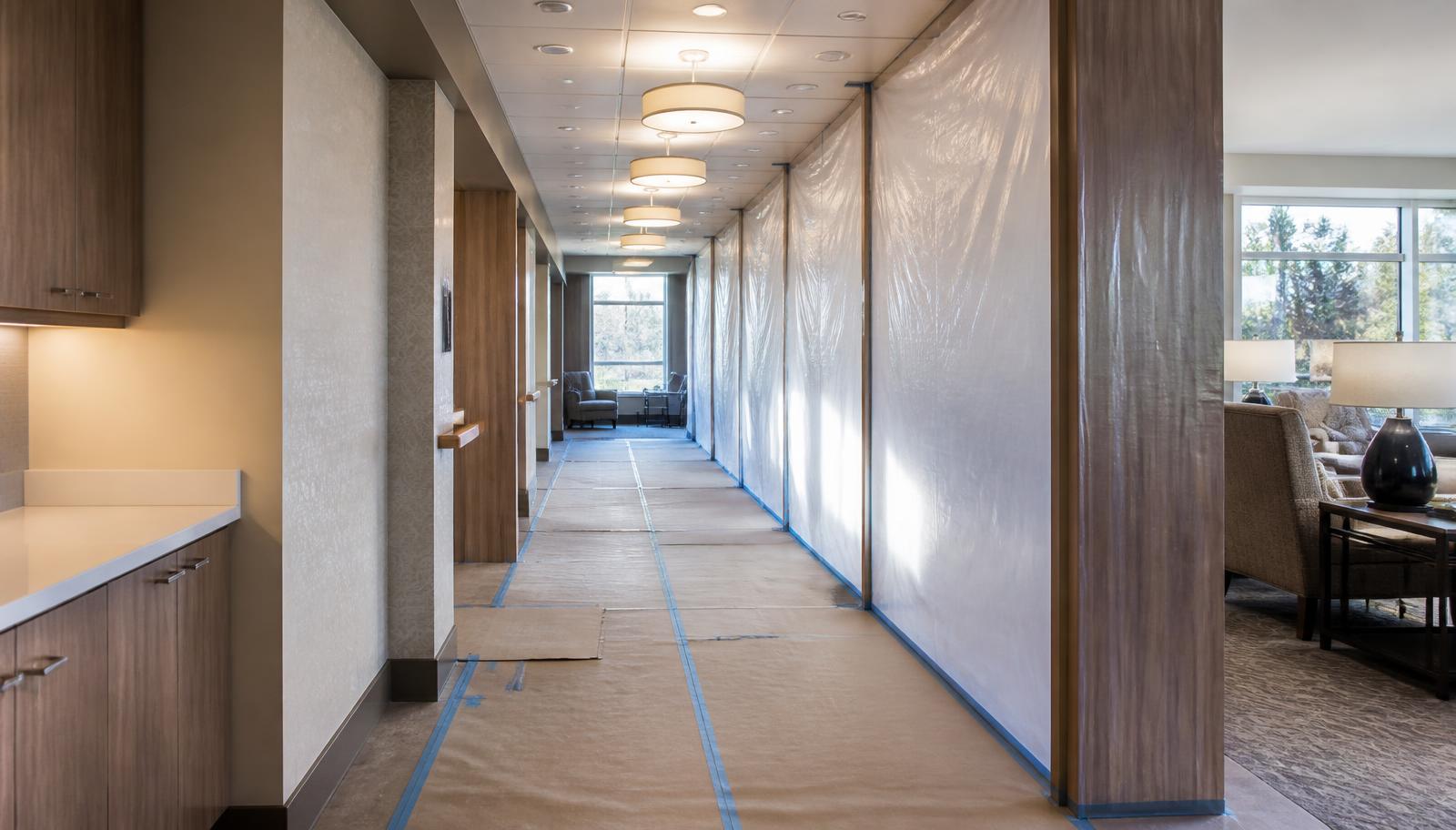
Most PIPs are delivered with the hotel open, using floor-by-floor or wing-by-wing phasing that keeps sellable rooms in inventory. Noisy work is scheduled around guest hours, dust barriers separate active zones, and public areas are sequenced so the front desk and breakfast service keep working.
Coastal Reconstruction Group's hotel approach is built on floor-by-floor phasing and night and weekend scheduling for noise-intensive work. The full method is covered in how to phase an occupied hotel renovation.
What should you look for in a hotel PIP contractor?
Look for a general contractor that has delivered brand-standard work in occupied hotels and can manage the PIP from scope to brand inspection. Ask how they phase rooms, how they coordinate with the brand's design and construction team, and how they handle FF&E receiving and installation.
Coastal Reconstruction Group has worked on hotel PIP renovations from select-service brands to luxury resorts and offers end-to-end PIP compliance support from scope development through brand inspection, described on the hotel renovation page. Coastal is a Florida licensed general contractor, licensed in 32+ states, and serves Florida, Georgia, Alabama, South Carolina, North Carolina and Texas. When storm or water damage is found during a PIP, the same team handles restoration and reconstruction, so the hotel does not need a second contractor mid-project. For more on vetting firms, see how to choose a hotel renovation company in Florida.
Next steps
If your hotel has a PIP in hand or expects one at renewal or sale, start with a site walk that compares the PIP line items against existing conditions and accessibility requirements. Contact Coastal Reconstruction Group to review your PIP scope, phasing and schedule.
Frequently asked questions
What does PIP stand for in the hotel industry?
PIP stands for property improvement plan. It is a report a hotel brand issues after inspecting a property, listing the upgrades required to meet current brand standards. PIPs are most often issued at franchise renewal, at a change of ownership, or when a hotel converts to a new brand.
Who pays for a hotel PIP?
The hotel owner pays for the PIP work. In a sale, the cost of an outstanding or change of ownership PIP is usually factored into the purchase price and the buyer's capital plan, and lenders often review the PIP scope before approving financing.
Can a PIP deadline be extended?
Extensions are a matter between the owner and the brand under the franchise agreement. Owners who ask early, with a credible schedule and procurement plan, are in a better position than those who ask after a deadline passes. A contractor can help by documenting realistic durations and lead times.
Is a PIP the same as a renovation?
A PIP defines what the brand requires; the renovation is how the owner delivers it. Many owners add their own capital items to the PIP scope, such as roof, envelope or mechanical work, so the hotel is disrupted only once.